
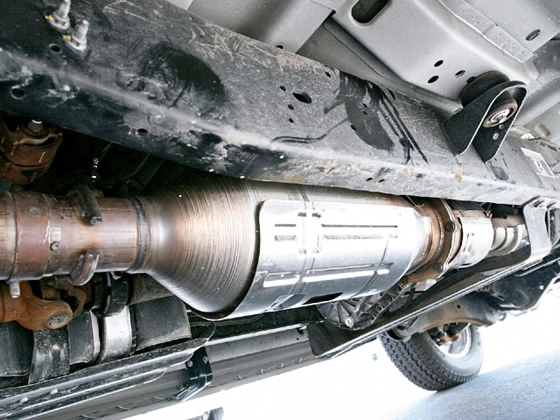
The diesel particulate filter (DPF) system represents one of the most significant maintenance challenges for modern diesel fleets. For Tulsa fleet operators, DPF issues can mean unexpected downtime, expensive repairs, and even complete vehicle sidelining. Understanding proper DPF maintenance isn't just about compliance—it's about significant cost savings and keeping your vehicles productive on Oklahoma roads.
Understanding Your DPF System: The Basics
Before diving into maintenance strategies, it's essential to understand what the DPF system does and how it operates in your diesel vehicles:
The DPF is a ceramic filtration device that captures soot and particulate matter from diesel exhaust. Over time, this filter becomes loaded with particulates and must be cleaned through a process called regeneration, which burns off accumulated soot at high temperatures.
There are two primary types of regeneration:
- Passive regeneration: Occurs naturally during normal highway driving when exhaust temperatures are high enough to burn off accumulated soot
- Active regeneration: Computer-initiated process that injects additional fuel to raise exhaust temperatures and burn off trapped particulates
For commercial vehicles operating in Tulsa and across Oklahoma, understanding this system is crucial because local driving patterns often don't support ideal regeneration conditions.
The Real Cost of DPF Issues for Tulsa Fleet Operators
Anyone who has replaced one knows the arithmetic. A DPF replacement on a medium-duty truck commonly runs several thousand dollars in parts alone, and a Class 8 aftertreatment box is more. Add the tow when a truck derates on the highway, the days the truck sits, and the extra fuel burned by an engine that is regenerating far more often than it should, and a filter that could have been cleaned becomes one of the most expensive maintenance failures on the vehicle.
A properly maintained DPF should last 150,000-300,000 miles, but improper maintenance can reduce this to as little as 70,000 miles—a costly difference for any fleet operator.
Warning Signs Your DPF Needs Attention
Recognizing early symptoms can prevent catastrophic failures. Watch for these indicators in your Tulsa-based fleet:
- Dashboard warning lights: DPF, check engine, or regeneration indicators
- Reduced power mode: Vehicle enters limp mode with limited performance
- Decreased fuel economy: 10-15% reduction can indicate DPF problems
- Frequent regeneration cycles: More than once every 500 miles for highway use
- Extended regeneration time: Normal regens should complete within 20-30 minutes
- Excessive white or black smoke: Indicates incomplete combustion or regeneration issues
- Poor engine performance: Hesitation, rough idle, or difficult starting
Any of these symptoms calls for prompt diagnosis to prevent more costly damage.
Seven Strategies to Extend DPF Life for Oklahoma Fleet Vehicles
These approaches, standard practice for any diesel fleet, significantly extend DPF life:
1. Optimize Driving Patterns When Possible
DPF systems work best when vehicles maintain consistent highway speeds long enough for passive regeneration:
- Schedule at least one 20+ minute highway trip weekly at 55+ mph
- Avoid exclusive stop-and-go urban routes in downtown Tulsa
- When possible, complete deliveries requiring frequent stops, then take highway routes back to base
2. Use High-Quality Ultra-Low Sulfur Diesel
Fuel quality directly impacts DPF performance:
- Source fuel from reputable suppliers with proper filtration systems
- Consider premium diesel formulations with detergent additives
- Avoid contaminated fuel which accelerates DPF clogging
3. Follow Proper Oil Specifications
Improper oil is a leading cause of DPF ash loading and early failure:
- Use only engine oils meeting CJ-4, CK-4 or FA-4 specifications
- Avoid oils with high ash content which can clog DPF systems
- Maintain strict oil change intervals to prevent oil consumption issues
4. Never Interrupt Regeneration Cycles
One of the most common fleet mistakes is disrupting the cleaning process:
- Train drivers to recognize regeneration indicators
- Create protocols for allowing regens to complete (typically 20-40 minutes)
- Avoid shutting down vehicles during active regeneration whenever possible
5. Schedule Professional DPF Cleaning
Even with perfect operation, DPFs require periodic professional cleaning:
- Urban / stop-and-go and light/medium-duty: every 100,000-150,000 miles
- Heavy-duty highway service: every 200,000-250,000 miles
- Sooner whenever soot load, backpressure, or regen frequency says the filter is loading up
- Utilize thermal cleaning and compressed air processes, not just ash removal
6. Address Engine Issues Promptly
Engine problems quickly translate to DPF failures:
- Repair fuel injector issues immediately
- Address excessive oil consumption problems
- Fix EGR system malfunctions which contribute to soot loading
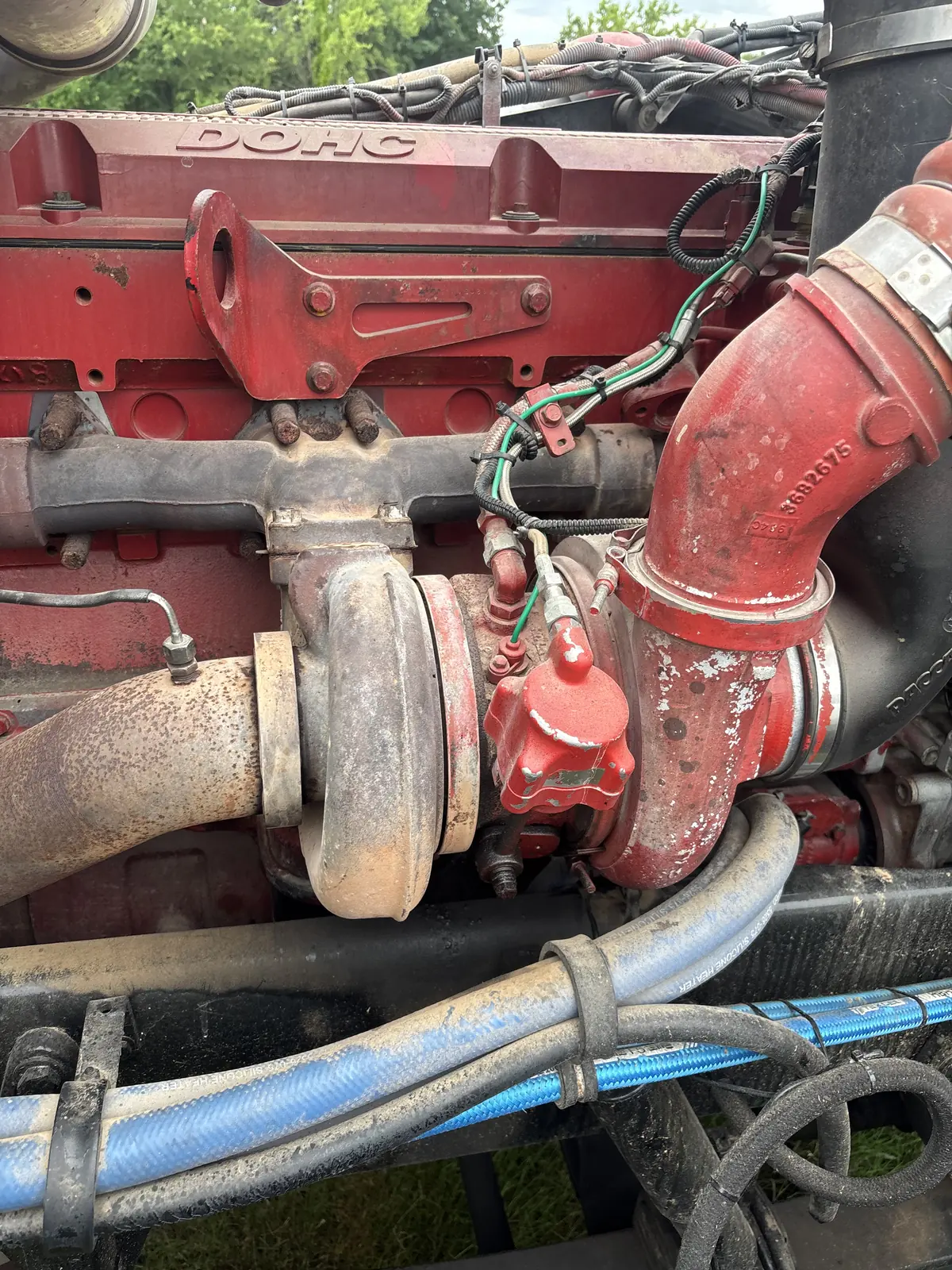
- Maintain proper turbocharger function
7. Implement DPF-Specific Monitoring
Modern telematics can provide early warnings:
- Track regeneration frequency and duration
- Monitor backpressure readings if available
- Analyze fuel economy changes which may indicate DPF issues
- Schedule proactive maintenance based on data trends
DPF Cleaning Options for Tulsa Fleet Operators
When a DPF needs professional attention, there are three realistic paths, and which one fits depends on how loaded the filter is and how long the truck can sit:
1. On-Truck Diagnosis and Forced Regeneration
This is what a mobile mechanic does at your yard:
- Read soot load, ash load, and differential pressure with a scan tool and find out why the truck stopped regenerating on its own
- Run a forced (parked) regen when soot load is high but the filter is not ash-packed
- Fix the upstream cause: a stuck EGR valve, a leaking injector, a failed exhaust temperature or pressure sensor, a bad seventh injector or doser
- Remove the filter and send it out when ash, not soot, is the problem; a forced regen does nothing for ash
2. Thermal Cleaning at a Dealer or DPF Cleaning Shop
Off-truck cleaning by a specialist with a bake oven and an air-knife cabinet:
- The filter is baked to burn remaining soot, then pulse-cleaned from the outlet side to blow the ash out
- Flow-tested and weighed before and after, so you know how much ash came out and whether the substrate is cracked or melted
- Typically a one-to-two-day turnaround plus the time to remove and reinstall the filter
3. Exchange Filters
Most DPF cleaning shops and dealers keep cleaned, flow-tested exchange filters for common applications:
- A cleaned unit goes on immediately and your filter becomes the core
- Cuts downtime to the removal and installation time
- Worth asking about for any truck that earns its keep by the day
Common DPF Mistakes Made by Oklahoma Fleet Operators
These are the most costly errors we see:
1. "Delete" or Tampering Solutions
Some operators consider removing or bypassing DPF systems:
- Violates federal EPA regulations
- Carries federal civil penalties per vehicle
- Ends the engine maker's emissions coverage on the truck
- Creates liability issues for fleet operators
- Increasingly detected during vehicle sales or transfers
2. Ignoring Early Warning Signs
Delay in addressing symptoms often converts a simple cleaning into a complete replacement:
- Dashboard warnings should trigger immediate diagnosis
- Performance changes indicate developing problems
- Excessive smoke requires prompt attention
3. Using Incorrect Cleaning Methods
Not all cleaning approaches are effective:
- Air-only cleaning fails to remove deeply embedded ash
- Improper chemical cleaning can damage catalyst coatings
- Inadequate testing after cleaning leads to repeated failures
4. Over-Relying on Active Regeneration
Forcing frequent regens creates additional problems:
- Excessive fuel dilution in engine oil
- Increased thermal stress on engine components
- Higher fuel consumption without addressing root causes
DPF Maintenance: Frequently Asked Questions
How often should a commercial truck's DPF be professionally cleaned?
For vehicles operating in the Tulsa area, professional cleaning is typically recommended every 200,000-250,000 miles for highway applications and every 100,000-150,000 miles for urban/stop-and-go operations. However, monitoring soot load percentage and regeneration frequency provides more accurate timing.
Can DPF issues cause other engine problems?
Yes, a restricted DPF creates excessive backpressure that can damage turbochargers, cause oil consumption issues, reduce engine performance, and potentially lead to engine overheating – particularly during Oklahoma's hot summer months.
What's the difference between a "forced regen" and normal regeneration?
Normal regeneration occurs either passively during driving or through programmed active cycles. A "forced regen" is a service procedure performed using diagnostic equipment when the normal regeneration process has failed or been interrupted too many times. While occasionally necessary, frequent forced regens indicate underlying problems requiring attention.
Can a DPF be cleaned without taking it off the truck?
Soot can be burned off on the truck with a forced regen. Ash cannot. Ash is the incombustible residue of engine oil additives, and once the filter is ash-packed it has to come off for thermal cleaning or be swapped for an exchange unit. If the soot load reads high but a forced regen brings it right back, the filter is likely ash-loaded and the scan tool's ash estimate will say so.
Need This Done On-Site in Tulsa?
Tulsa Fleet Repair is a mobile operation for aftertreatment diagnostics, forced regens, and DPF removal on semi trucks, delivery fleets, and diesel pickups. The service truck comes to your yard, jobsite, or breakdown location anywhere within 120 miles of Tulsa, with 24/7 emergency response when a unit can't wait. Call (918) 925-9356 or request service online.