
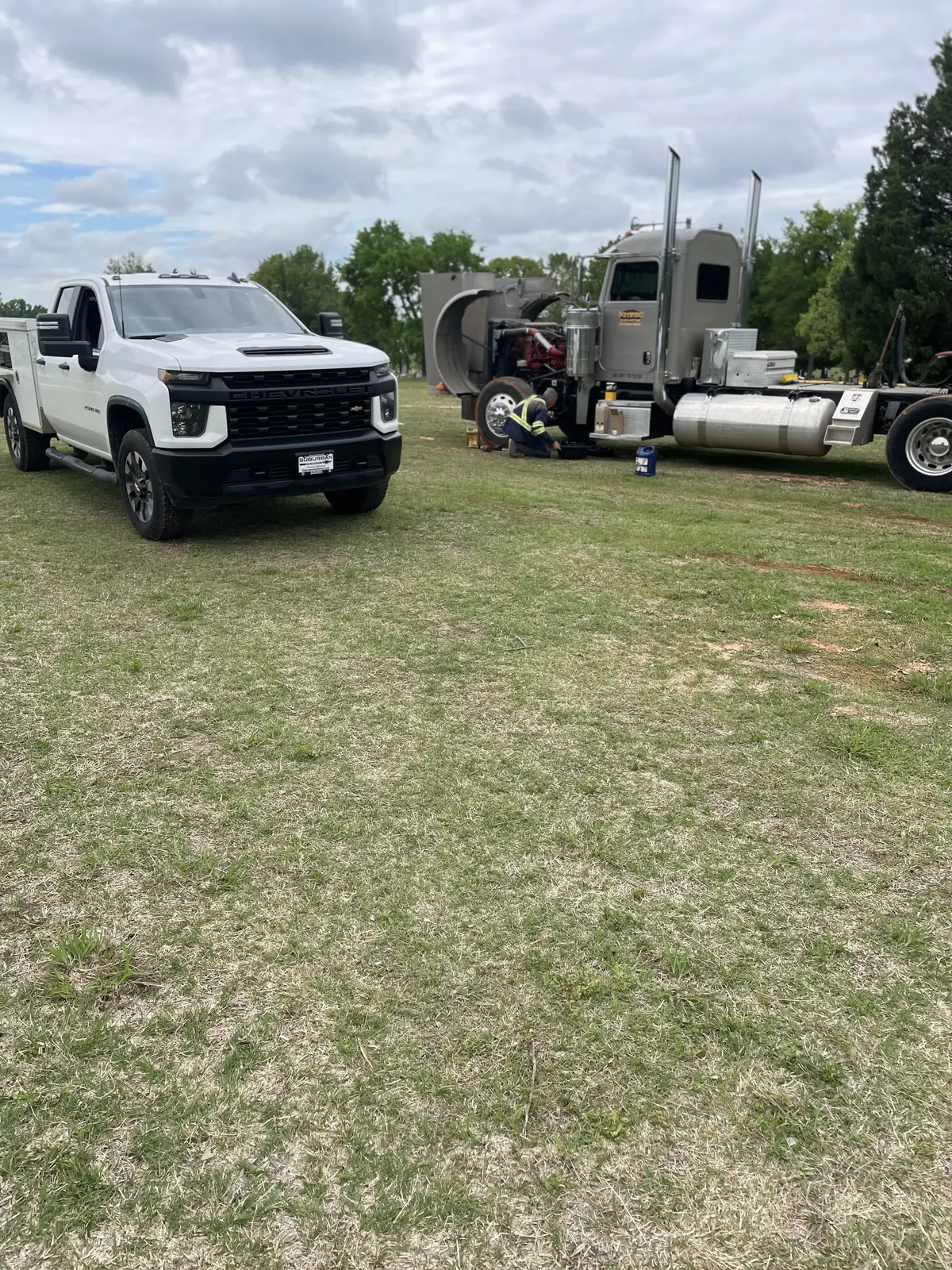
A maintenance-records audit answers one question: if an FMCSA investigator, an Oklahoma Highway Patrol inspector, or a plaintiff's lawyer asked for the file on unit 14 today, could you hand it over complete? The rules that define "complete" are short and specific, in 49 CFR Part 396. Here they are, followed by a five-step audit and a template.
What the Rules Actually Require
Everything below is from 49 CFR Part 396. Read the source; it is a few pages. Oklahoma applies the federal maintenance rules to most intrastate commercial carriers as well, so running only inside the state does not take you out of it.
| Section | What it requires | Retention |
|---|---|---|
| 396.3(a) | Systematically inspect, repair, and maintain every vehicle under your control, or cause it to be done. Parts and accessories must be in safe operating condition at all times, including lubrication. | Ongoing |
| 396.3(b) | For each vehicle controlled 30 consecutive days or more, a record showing: identification (company unit number, make, serial number, year, tire size, and who furnishes it if not owned); a means to show the nature and due date of the inspections and maintenance to be performed; and a record of the inspections, repairs, and maintenance done, with their dates and nature. | 396.3(c): one year where the vehicle is housed or maintained, and six months after the vehicle leaves your control |
| 396.11 | Driver vehicle inspection report at the end of each day's work when a defect or deficiency is found or reported, covering brakes, steering, lights, tires, horn, wipers, mirrors, coupling devices, wheels and rims, and emergency equipment. Before the vehicle runs again, the carrier certifies on the report that the defect was repaired or that repair was unnecessary. | Three months from the date the report was prepared, with the repair certification |
| 396.13 | Before driving, the driver must be satisfied the vehicle is safe, review the last DVIR, and sign it to acknowledge the certification if defects were noted. | Part of the DVIR record above |
| 396.17 | Every commercial vehicle passes an inspection covering the items in Appendix A at least once every 12 months, and documentation of that inspection is on the vehicle. | 396.21: the inspection report is kept 14 months where the vehicle is housed or maintained; proof on the vehicle is the report or a decal showing the inspection date, the entity holding the report, and the vehicle identification |
| 396.19 | The annual inspection must be done by someone qualified by training or at least a year of relevant experience, and you must keep evidence of that qualification. | As long as the person performs inspections for you, plus one year |
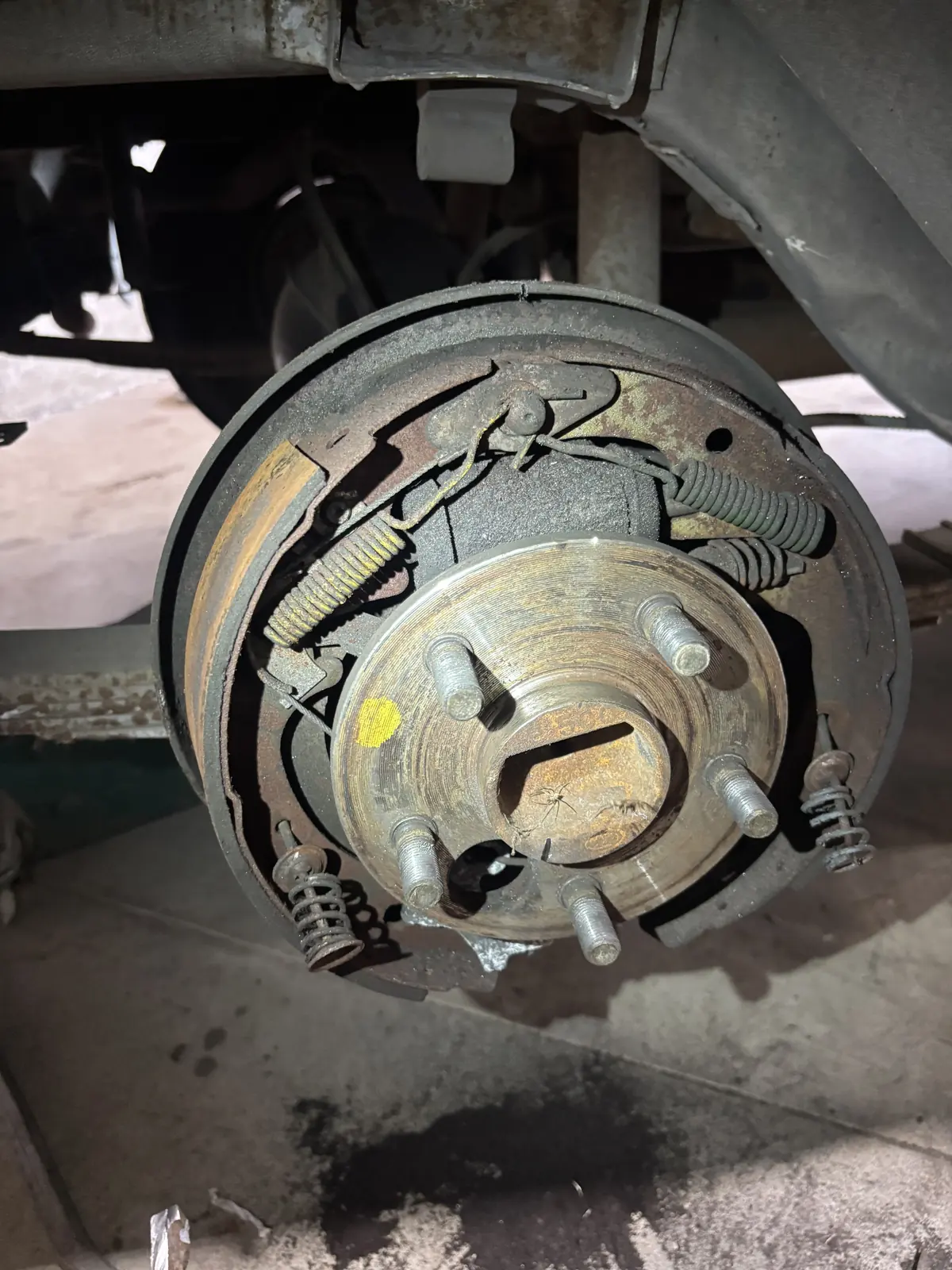
| 396.25 | Anyone who inspects, maintains, services, or repairs brakes on your vehicles must be qualified, and you must keep evidence of that qualification. | As long as the person does brake work for you, plus one year |
| 396.9 | After a roadside inspection, the driver delivers the report to you; you certify that violations were corrected and return the report within 15 days if required. | 12 months |
What an Insurer or a Lawyer Looks For
Insurers and litigators do not have a regulation. They have the same file, and they read it backward from the event: was the component that failed ever noted on a DVIR, and was the repair certified? Was the annual inspection current and done by someone qualified? Who did the last brake job, and is there 396.25 evidence for that person? Do the PM dates and readings show the schedule was followed, or was it a piece of paper nobody used? A file that answers those cleanly ends the conversation. A file with gaps becomes the case.
The 5-Step Audit
- Build the unit list and the 396.3(b) header for each unit. Unit number, VIN or serial, year, make, model, tire size, owner if leased, and the written PM schedule (A/B/C intervals in miles, hours, or months). If a unit has no written schedule, that is your first finding.
- Pull every annual inspection. One current report per unit, dated within 12 months, every Appendix A item addressed, inspector identified, and the qualification evidence for that inspector on file. Check that the decal or report is actually on the vehicle. Trailers count.
- Reconcile DVIRs against work orders. Take the last three months of DVIRs with defects noted. For each one, find the work order or the certification that the repair was made or was unnecessary, and the driver's acknowledgment on the next report. A defect with no matching repair is the most common audit failure and the most dangerous one after a crash.
- Check the maintenance record itself. For each unit, list every PM and repair in the last 12 months with its date and reading. Is each PM within its window? Does every brake work order name who did it, with 396.25 evidence on file? Are outside providers' work orders in the file, not just in accounting, and do they carry the odometer or hour reading?
- Fix the system, not just the findings. Decide where the file lives (one folder per unit, paper or shared drive), who files outside invoices into it, who certifies DVIRs, and who runs this audit each quarter. Write the retention dates on the folder: PM and repair records one year plus six months after disposal, DVIRs three months, annual inspection reports 14 months, roadside reports 12 months, qualification evidence one year after the person stops doing the work.
Gaps That Show Up Most Often
- Outside repair invoices sitting in accounts payable and not in the vehicle file.
- Work orders with no odometer or hour reading, which makes it impossible to prove the interval was met.
- DVIRs with defects that were fixed but never certified, or certified but never acknowledged by the driver on the next report.
- Annual inspection decals on the truck with no report anywhere, or a report from an outfit whose inspector qualification nobody can produce.
- Brake work done in-house by someone with no documented training or experience under 396.25.
- No written PM schedule at all, so the 396.3(b) "nature and due date" element does not exist.
A Records Template You Can Copy
One page per unit, kept where the unit is housed or maintained. The header is the 396.3(b) identification and schedule; the rows are the 396.3(b) record of what was done.
| Unit 14 — 2019 Freightliner Cascadia — VIN: ____________ — Tire size: 295/75R22.5 — Owner: (company / lessor name) | |||||
|---|---|---|---|---|---|
| Schedule: A every 15,000 mi or 90 days · B every 25,000 mi · C and annual inspection every 12 months · Air-dryer cartridge each October | |||||
| Date | Odometer / hours | Type | Work performed | Parts | Performed by / qualification |
| 2025-03-04 | 412,880 | PM-B | Oil and filter, primary and secondary fuel filters, coolant test, brake stroke all wheels, lamp check | Filter part numbers | Name, brake qualification on file |
| 2025-03-18 | 415,120 | DVIR repair | Driver reported LR marker lamp out; replaced lamp; certified on DVIR | Lamp | Name |
| 2025-05-09 | 428,300 | Annual (396.17) | Annual inspection per Appendix A; passed; decal applied; report filed | — | Name, 396.19 qualification on file |
| 2025-06-22 | 436,900 | Repair | Replaced RF wheel seal and hub oil; inspected lining for contamination | Seal, hub oil | Name, brake qualification on file |
The example rows are illustrations of format, not a real unit's history. A spreadsheet with the same columns and one tab per unit works exactly as well as paper, as long as the outside invoices get attached.
FAQ
Do pickups and vans need all this?
If the vehicle is a commercial motor vehicle in your operation (in interstate commerce that starts at a 10,001-pound gross vehicle weight rating, trailer combinations included), yes. A one-ton pulling a skid steer on a tag trailer is usually over that line.
Does the repair provider have to keep my records?
No. The carrier does. A good provider hands you a work order with the unit number and reading on it every time; filing it is your job.
How often should I run the audit?
Quarterly. That keeps the DVIR reconciliation inside the three-month retention window, which is the part that goes stale fastest.
Need Inspections and PMs That Produce the Record?
Tulsa Fleet Repair is a mobile operation — the service truck comes to your yard, jobsite, or breakdown location anywhere within 120 miles of Tulsa, with 24/7 emergency response when a unit can't wait. Every annual inspection and PM leaves a written record with the unit number and reading for your file. Call (918) 925-9356 or request service online.