A dot on a map does not fix a truck. The data coming off the engine bus through the same device can, if you look at the right fields and turn them into maintenance triggers instead of dashboards nobody opens. This is what to pull, what the numbers mean, and how to hand them to a mechanic so the right parts are on the service truck when it arrives.
The Data That Matters for Maintenance
Engine hours, not just odometer
Equipment is scheduled on hours, full stop. Trucks are trickier. A tractor running the Turner Turnpike averages highway speeds and miles work fine. A service truck or a dump truck working inside the loop, or anything running a PTO, piles up idle hours that add wear and soot without adding miles. Divide miles by engine hours for each unit: a truck averaging 15 mph over a month is living at idle and should be on an hours-based oil interval, whichever comes first.
Fault codes: J1939 on heavy trucks and equipment, OBD-II on light-duty
Heavy-duty trucks and most diesel equipment report faults as an SPN (what) and an FMI (how). Light-duty pickups and vans use P-codes. The ones worth an alert:
- SPN 100 engine oil pressure, SPN 110 coolant temperature, SPN 111 coolant level. With FMI 0 or 1 (above or below the most severe limit), stop the unit.
- SPN 168 battery voltage. FMI 18 (below normal, moderate) is the early warning; FMI 1 is the no-start coming.
- SPN 3251 DPF differential pressure and SPN 3719 soot load: the filter is loading faster than it is cleaning.
- SPN 1761 DEF tank level, SPN 3364 DEF quality, SPN 4364 SCR conversion efficiency, SPN 5246 SCR inducement, which is the countdown to a derate.
- Light-duty: P0401 EGR flow insufficient, P20EE SCR efficiency below threshold, P2463 DPF soot accumulation, P0299 turbo underboost, P0087 fuel rail pressure low, P0562 system voltage low.
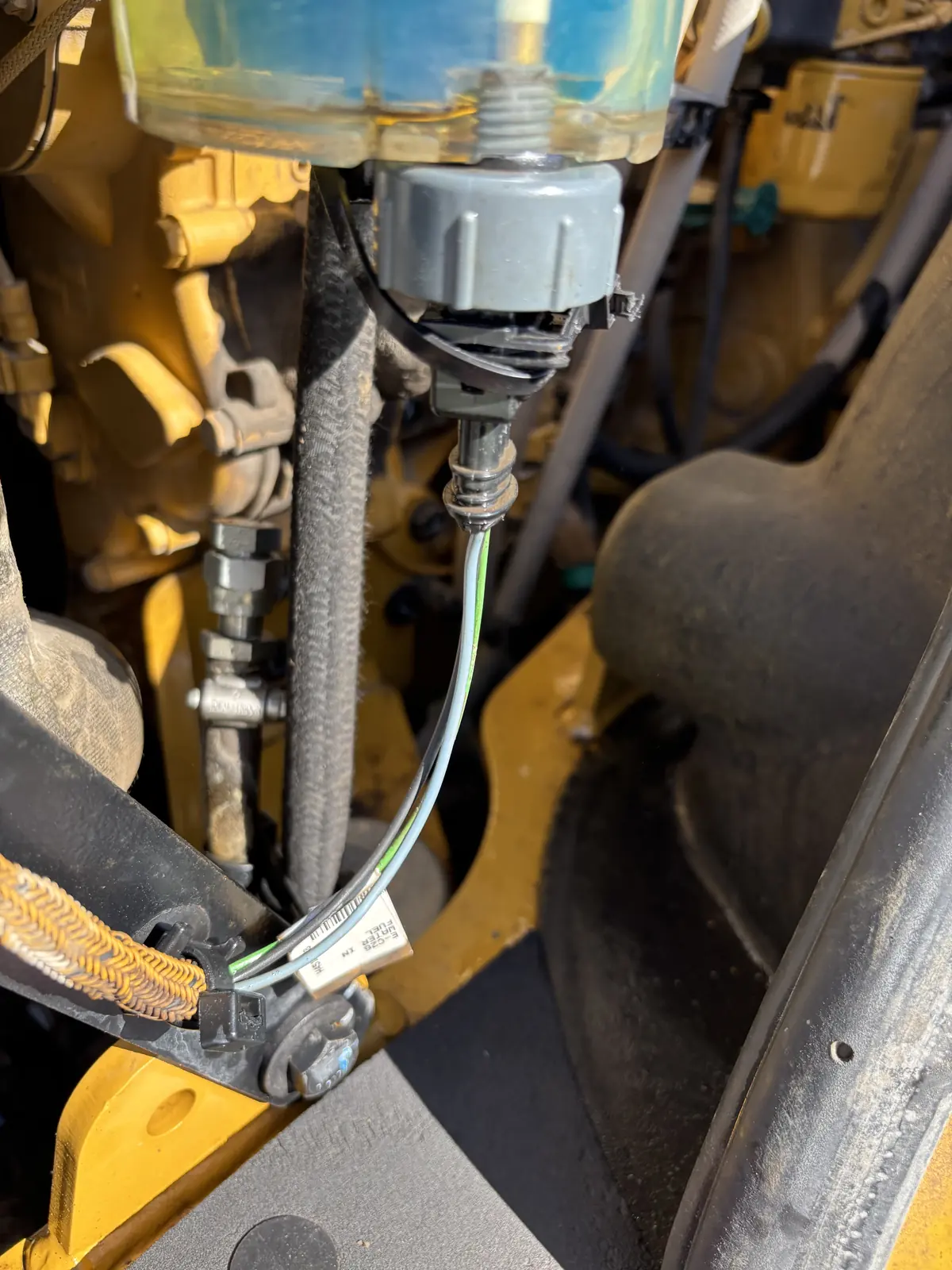
FMI 3, 4, and 5 (shorted high, shorted low, open circuit) almost always mean wiring or a connector, not the sensor the code is named for. Those are worth catching early because they start intermittent and end as a tow.
DEF level and consumption
A modern SCR engine uses DEF at roughly 2 to 3 percent of its diesel consumption. If DEF use falls off while the truck keeps running miles, the doser or a sensor is failing and an inducement code is coming. A tank sitting low into a cold snap matters too: DEF freezes at 12 degrees F and the tank heater needs some volume to work with.
Regen count and interval
Active regenerations should be spaced fairly evenly for a given unit and route. Watch the interval per unit, not against other trucks. When regens start coming closer together on the same duty cycle, something has changed: more idling, a leaking injector, a sticking EGR valve, or ash filling the DPF to the point it needs cleaning rather than regenerating. Frequent incomplete regens (interrupted by shutdowns) are their own flag on short-trip delivery units.
Battery voltage trends
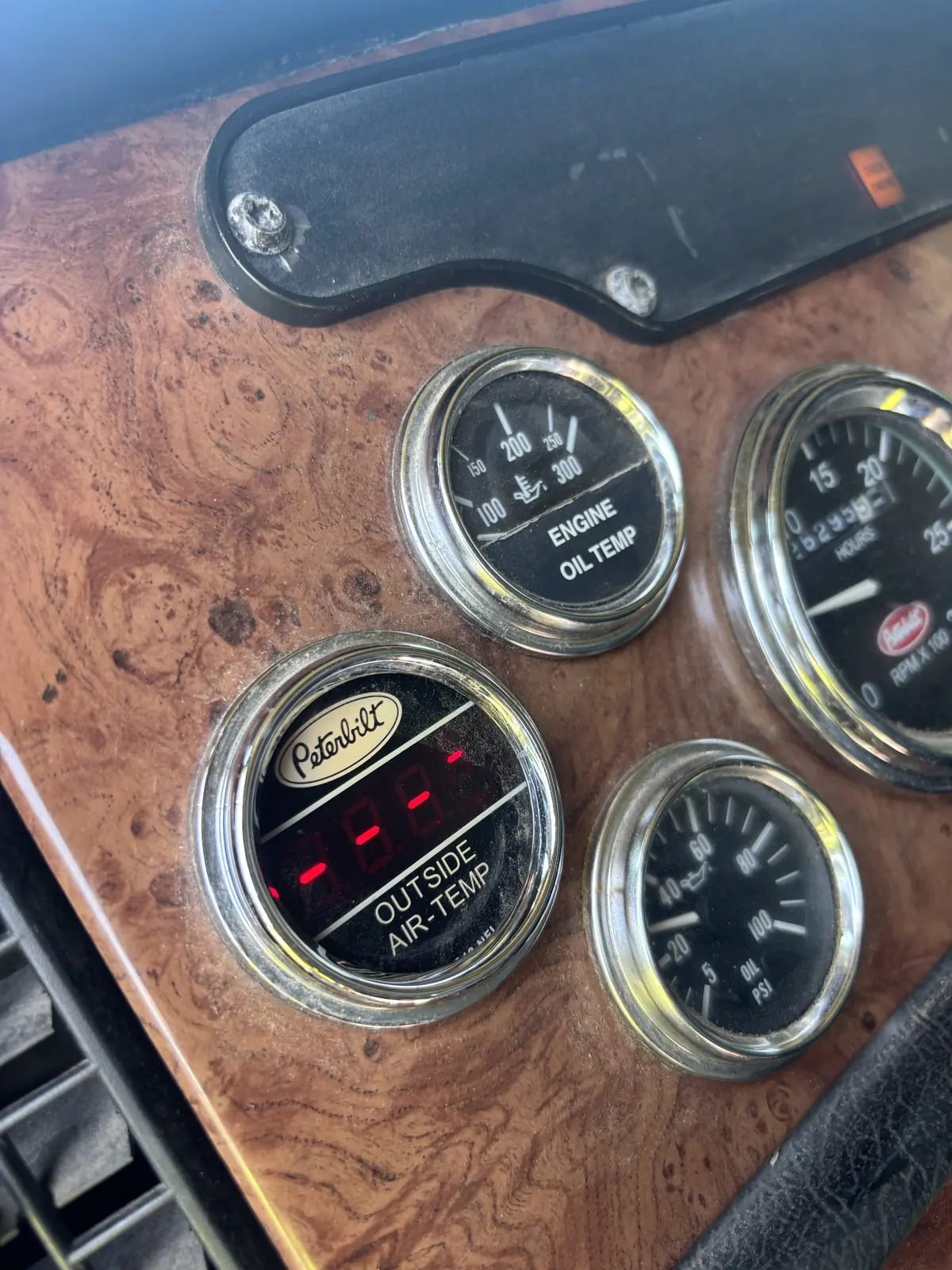
Most devices log voltage at key-on and while running. A resting reading around 12.6 V is a full battery; 12.4 is about three-quarters; 12.2 is half. Running voltage should sit in the 13.8 to 14.4 range. What you want is the trend: a unit whose morning voltage drifts down over three weeks has a battery, an alternator, or a parasitic draw problem, and it will announce itself on the first 15-degree morning if nobody looks first.
Coolant temperature and oil pressure at load
A slow climb in operating temperature at the same load over a summer is a plugging radiator screen, a fan hub losing its grip, or a coolant package going bad. Oil pressure that drifts down at the same rpm and temperature is bearings or a pump. Both are visible in trend data long before a warning lamp.
Idle time and harsh events
Idle percentage feeds the hours-vs-miles decision above and predicts DPF trouble. Hard-brake and impact counts are a reason to look at brakes and tires on a specific unit sooner than its interval, and on equipment they are a reason to look at the bucket, boom pins, and cylinder mounts.
Setting Maintenance Triggers
Every platform can send an alert or open a work order on a rule. Set a small number of rules you will actually act on.
| Trigger | Rule | Action |
|---|---|---|
| Hours since last PM | Equipment at 250 hours, idle-heavy trucks at the hours equivalent of their oil interval | Schedule the A or B service a week out |
| Miles since oil change | Interval minus a cushion of a thousand miles or so | Schedule the B service |
| Calendar | 11 months since the last annual inspection; 90 days since last A | Book the DOT annual and the C service together |
| Oil pressure, coolant temp, coolant level | Any FMI 0 or 1 | Stop the unit, call for service |
| SCR inducement (SPN 5246) or DEF quality | Any occurrence | Service before the derate escalates; final inducement holds the truck to about 5 mph |
| Regen interval | Noticeably shorter than that unit's own baseline | Inspect for the cause; check ash-cleaning interval |
| Morning battery voltage | Below about 12.4 V two mornings running | Load test and check charging |
| DEF level | Below roughly a quarter tank | Refill with ISO 22241 fluid; do not let it run dry into winter |
Platforms, Stated Plainly
Fleet-wide telematics on trucks and mixed fleets commonly comes from Samsara, Geotab, Motive, or Verizon Connect; maintenance-management software such as Fleetio can take the odometer, hours, and fault feed from those devices and turn them into work orders and PM schedules. Equipment OEMs run their own portals that read machine-specific data a generic dongle cannot: CAT VisionLink, John Deere JDLink, Bobcat Machine IQ, and on the truck-engine side Cummins Connected Diagnostics and Detroit Connect. Newer machines often ship with the OEM portal active for a period. On a mixed fleet, a generic J1939 device gets you the standard SPNs across brands, and the OEM portal fills in the proprietary parameters. No ranking here; the right one is the one your dispatcher will open every morning.
How Your Telematics Data Gets Used on a Service Call
Tulsa Fleet Repair does not sell or install telematics. What we do is use yours. Before the truck rolls, the useful package is:
- The fault list for the unit with SPN/FMI or P-codes, timestamps, and occurrence counts, exported for the last 30 days. Active and inactive both.
- Current engine hours and odometer.
- DEF level, regen history, and soot load if the platform shows them.
- The battery voltage trend if there has been a no-start.
- Read-only login access to that unit's page, if you are comfortable with it, so the data can be checked live while the diagnosis is running.
On arrival the scan tool goes on the 9-pin connector on trucks or the OEM port on equipment, and the freeze-frame data behind each code gets compared against what the telematics reported. The telematics says when and which; the tool and a meter on the harness say why. One caution from the field: a telematics device that was spliced into the bus badly or grounded poorly can itself cause intermittent communication faults. A unit that started throwing odd module codes right after an install gets that install checked first.
FAQ
Do I need telematics to run a maintenance program?
No. A clipboard with unit numbers, hour-meter readings, and a due-date column does the job for a small fleet. Telematics removes the walk-around to collect the readings and catches the trends a clipboard cannot.
Which single alert is worth setting first?
Hours or miles since last PM. It is the one that turns unplanned downtime into planned time, which is the whole point.
Can telematics clear codes or force a regen?
Not on most platforms, and it should not. Clearing a code without fixing the cause hides the history the next diagnosis needs. Forced regens are done with the scan tool at the unit, with someone watching exhaust temperatures.
Bring the Data, We Bring the Truck
Tulsa Fleet Repair is a mobile operation — the service truck comes to your yard, jobsite, or breakdown location anywhere within 120 miles of Tulsa, with 24/7 emergency response when a unit can't wait. Send the fault list with your request. See mobile diagnostics, then call (918) 925-9356 or request service online.