
Owner-operators do not skip maintenance because they do not care about the truck. They skip it because the truck is also the paycheck, and every hour in a bay is an hour not hauling. That pressure produces the same five mistakes over and over. Each one below comes with the mechanical consequence and the small thing that prevents it.
Mistake 1: Stretching Oil Drains on a High-Mile ISX Without Oil Analysis
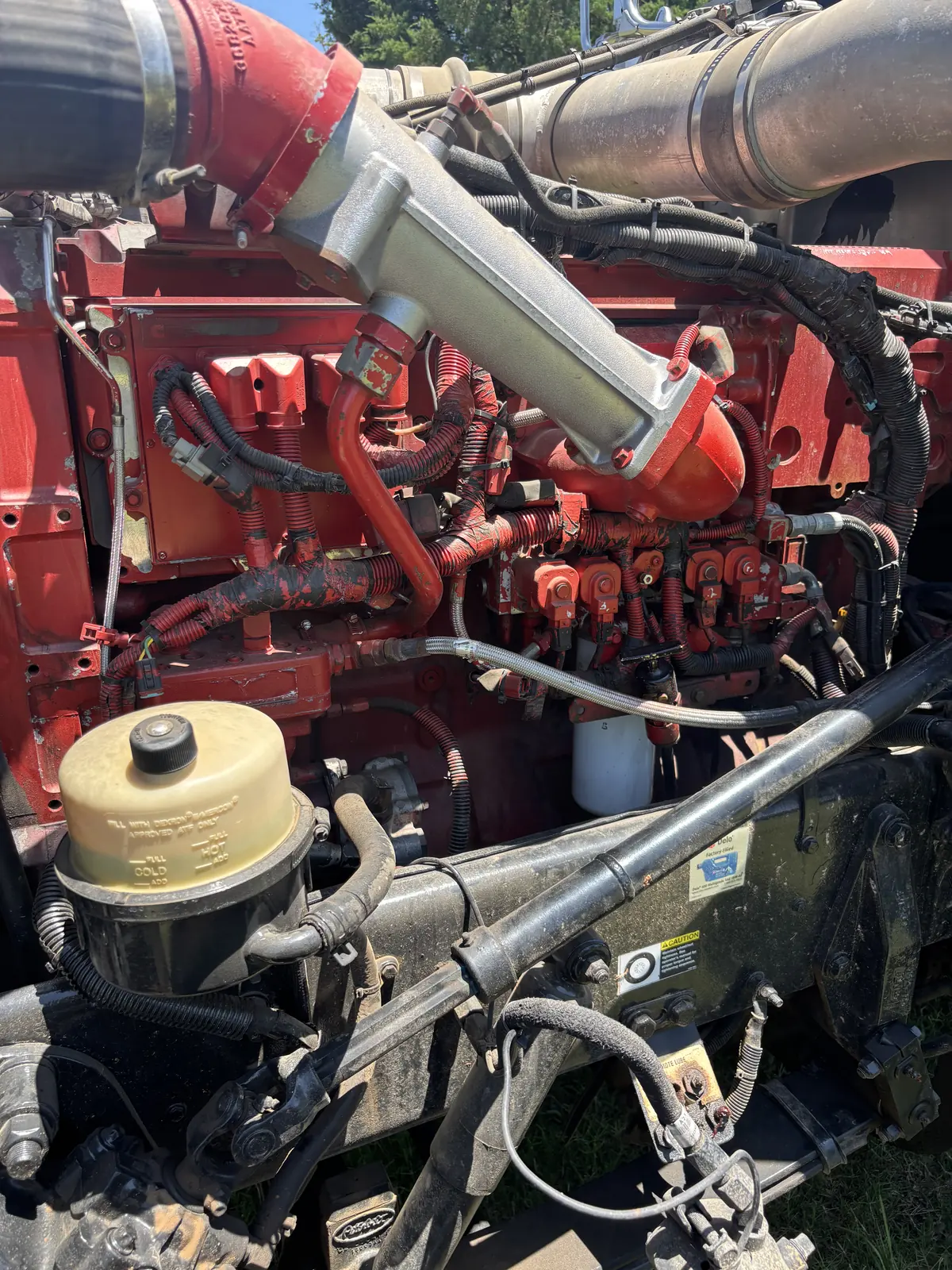
A Cummins ISX with several hundred thousand miles on it is a good engine with two well-known ways to put the wrong thing in the oil. EGR coolers develop internal leaks and push coolant into the crankcase; worn or leaking injectors thin the oil with fuel. Neither shows up on a dipstick. Coolant in the oil attacks bearings; fuel dilution drops viscosity until the bearings run on a film that is not there at hot idle. The end of that road is a spun rod bearing and an in-frame overhaul, which is a five-figure job and a week or more without a truck.
The fix costs about what a tank of fuel for a pickup costs: pull an oil sample at every drain and send it to a lab. Sodium and potassium mean coolant. Fuel dilution above a couple of percent means injectors. Iron, copper, and lead trending up together mean bearings. Stay on the interval in the engine's manual for your duty cycle, and extend it only when three clean samples in a row say you can. Watch the coolant level daily; a slow loss with no external drip on an ISX is an EGR cooler until proven otherwise. See Cummins engine repair.
Mistake 2: Running Past the DPF Ash-Cleaning Interval
Regeneration burns soot. It does not touch ash, which comes from the metallic additives in engine oil and accumulates in the diesel particulate filter until the filter is physically full. Every engine maker publishes an ash-cleaning interval, in miles for trucks and hours for equipment; it is in the manual next to the oil interval, and it is the one nobody reads. The symptoms of an ash-loaded filter arrive in order: active regens get closer together, a differential-pressure or soot-load code sets (SPN 3251 or 3719 on a J1939 truck, P2463 on a light-duty), power falls off, then the inducement starts and the truck ends up in a derate on the Turner Turnpike.
Keep running it past that point and the filter face-plugs, exhaust temperatures during regen climb, and the ceramic substrate cracks. A cracked DPF is a new DPF, which on a heavy truck commonly runs into the thousands of dollars. Cleaning the same filter on schedule is a fraction of that. Use a CK-4 oil, which is a low-ash formulation, do not top off with whatever is on sale, and write the ash-cleaning mileage on the same card as the oil interval.
Mistake 3: Ignoring the Air Dryer Before an Ice Storm
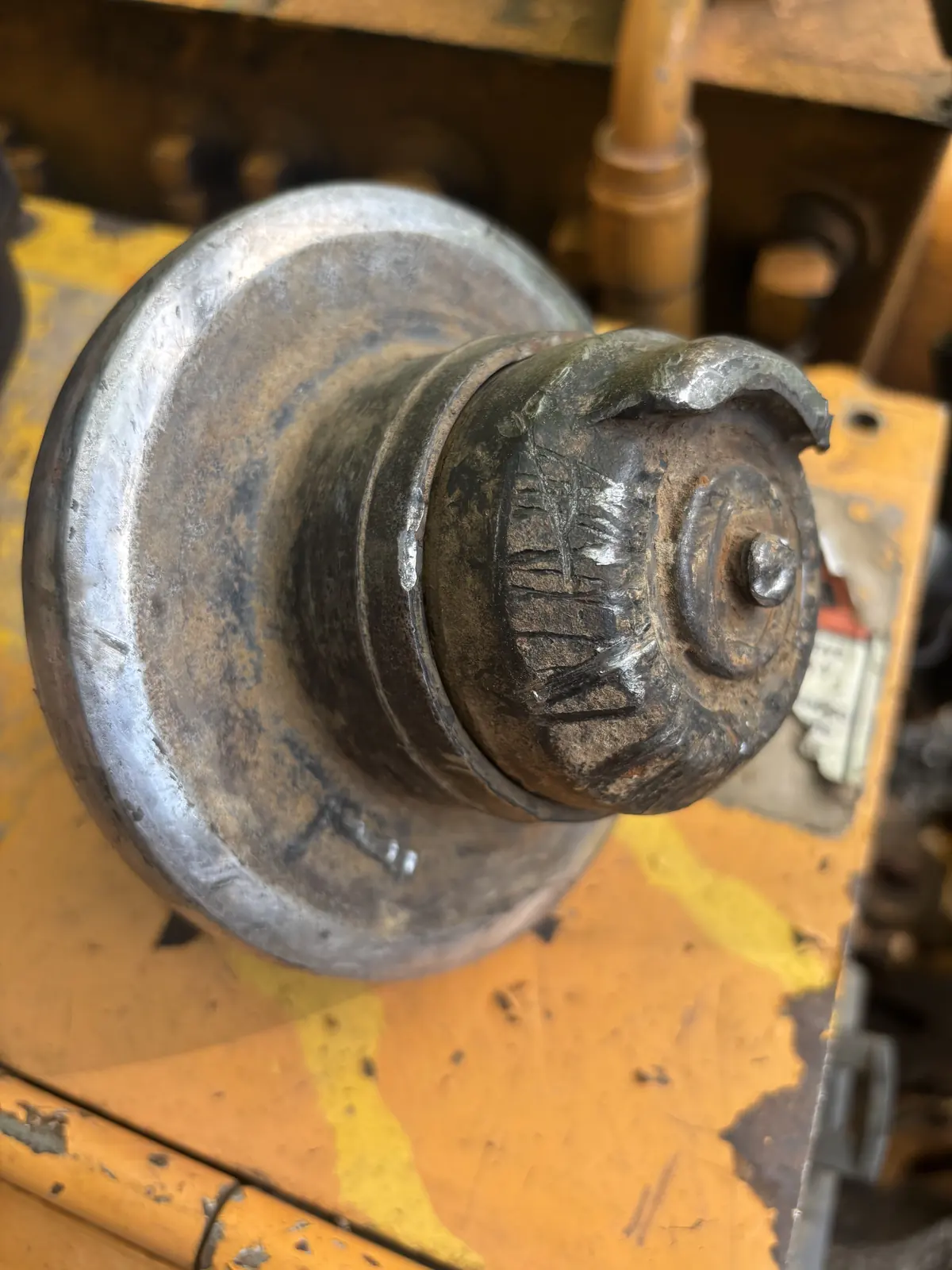
The air dryer is the only thing standing between the compressor and water in your brake system, and its desiccant cartridge is a wear item, typically a once-a-year change and sooner on a high-duty compressor. Behind the cartridge sits a purge valve and a small electric heater on that valve. When the cartridge is saturated, water goes downstream into the tanks, the lines, and the valves. In August that is a nuisance. On a 15-degree morning in January it is a frozen line, a service brake that will not release, or spring brakes that lock and will not let go, and you are sitting on the shoulder of I-44 waiting for someone with a heat gun.
Before the first cold snap: change the cartridge, confirm the purge valve pops when the governor cuts out, check that the heater draws current with the key on, and drain the wet tank until it stops spitting water. Do not pour methanol into a system with a dryer; it destroys the desiccant. If the tanks are draining water in October, the cartridge is already done.
Mistake 4: Buying the Cheap Wheel Seal
A wheel seal holds hub oil in and grit out. The cheap one leaks early, and the failure is not the seal; it is what the leak touches. Hub oil runs down onto the brake lining, and oil-soaked linings are an out-of-service condition at a roadside inspection, so the truck is parked until the shoes are replaced. Keep driving on a low hub and the bearing runs dry, overheats, and the wheel end fails, which at highway speed is a wheel-off. That is a lawsuit, not a repair.
Buy the premium seal, and install it the way the seal maker says: a clean, undamaged bore, the correct driver rather than a block of wood and a hammer, the spindle checked for a groove where the old seal ran, and the bearing set correctly. On a conventional adjustable bearing that means seating it, backing it off, and measuring endplay with a dial indicator, typically in the 0.001 to 0.005 inch range, then locking it. Fill with the hub oil the cap calls for, usually a synthetic 75W-90 or 80W-90, to the line in the sight window. Then check the window on the walk-around every day; low or milky oil is the early warning.
Mistake 5: No DVIR Paper Trail at a Roadside Inspection
Under 49 CFR 396.11, when a defect is found or reported, the driver writes a vehicle inspection report at the end of the day, the carrier certifies on it that the defect was repaired or did not need to be before the truck runs again, and the driver signs the next one to acknowledge that. The reports are kept for three months. For an owner-operator, the driver and the carrier are the same person, and the temptation is to skip the paper because you know what you fixed.
The way it goes wrong at a roadside inspection is specific: a defect shows up, the inspector asks for your inspection reports, and either there are none or there is one from three weeks ago listing that same defect with no repair certification. Now the violation is a pattern, your Vehicle Maintenance score takes the hit, and a compliance review becomes more likely. A defect that was noted, fixed, and certified on paper is a repair. The same defect with no paper is evidence you drove on it. A DVIR pad in the door pocket, or the app your ELD already has, closes that gap in two minutes a day.
What These Mistakes Cost, in Plain Language
Each of these trades a small, boring, scheduled cost for a large, sudden, unscheduled one: an oil sample against an in-frame; a DPF cleaning against a DPF; a desiccant cartridge against a frozen brake system and a tow; a premium seal against a set of shoes, an out-of-service order, and possibly a wheel end; two minutes of paperwork against a compliance review. The scheduled version happens in your yard on your schedule. The unscheduled version happens on the shoulder, with the load late.
How Small Fleets Avoid the Same Five
- Put the oil interval, the ash-cleaning interval, and the dryer cartridge date on one card per unit, owned by someone other than the driver.
- Do a before-winter service in October: dryer cartridge, batteries load-tested, coolant freeze point, fuel treatment, DEF tank at least half full since DEF freezes at 12 degrees F.
- Specify the parts on wheel-end work, and reconcile DVIRs against work orders monthly.
FAQ
How often should I pull an oil sample?
Every drain on a high-mile engine, every other drain on a newer one. The value is in the trend, so use the same lab and keep the reports together.
Can I clean a DPF myself?
No. Proper cleaning uses a machine that pulses air through the substrate and weighs the filter before and after, sometimes with a thermal bake. Shop air moves ash deeper and can damage the substrate. Get the before-and-after weights on the invoice.
Is a DVIR required every day?
For property-carrying vehicles, a written report is required when a defect is found or reported. A daily no-defect report is not required by the federal rule, but it is what proves you looked.
Need This Done Where the Truck Sits?
Tulsa Fleet Repair is a mobile operation — the service truck comes to your yard, jobsite, or breakdown location anywhere within 120 miles of Tulsa, with 24/7 emergency response when a unit can't wait. Oil sampling, dryer service, wheel-end work, and annual inspections are done on-site. See semi truck repair, then call (918) 925-9356 or request service online.