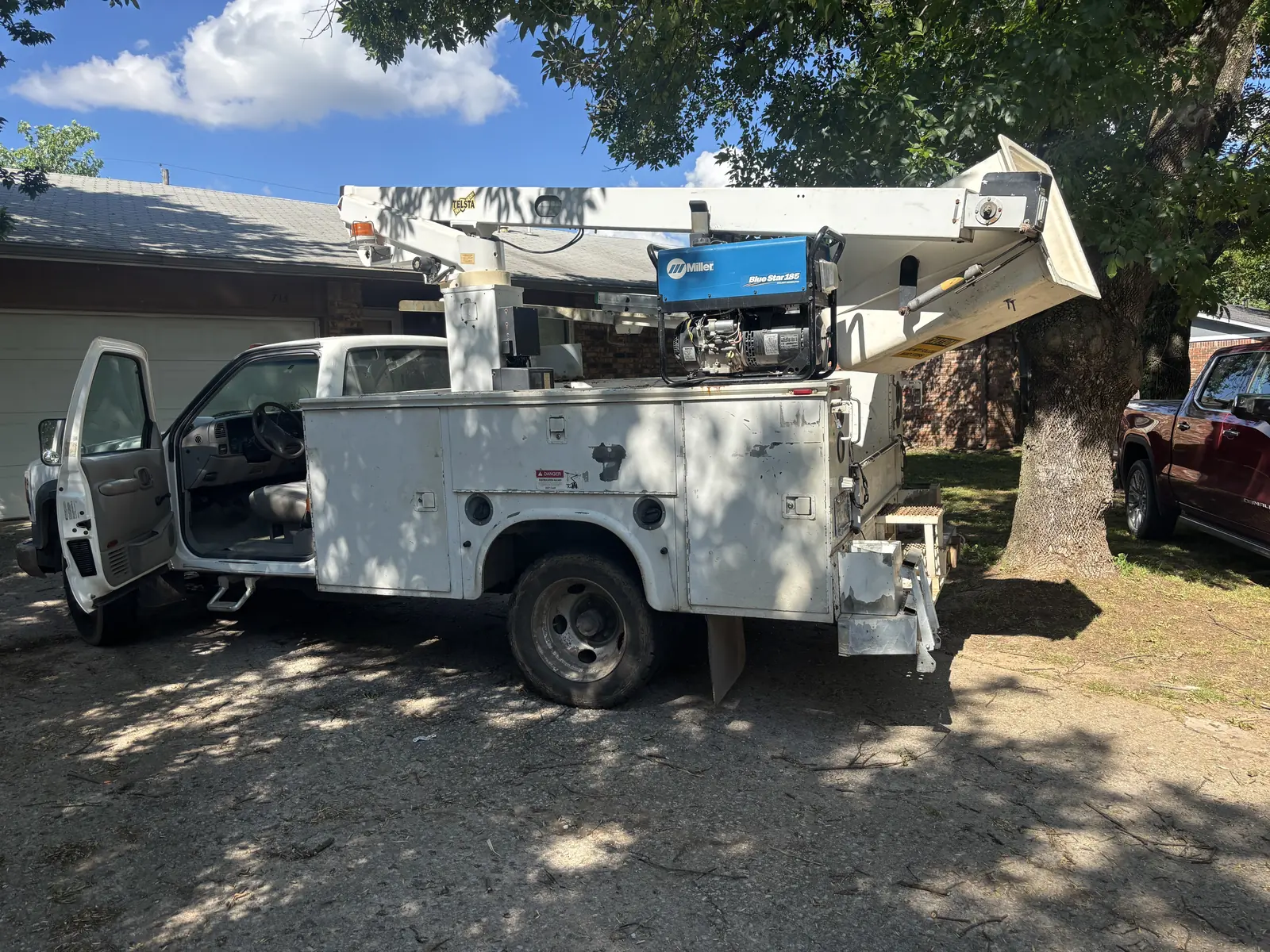
A mobile preventive maintenance visit is the same PM a good shop would do, performed in your yard or on your jobsite from a fully equipped service truck: fluids and filters, a lube pass, an inspection of every safety system, a fault-code pull, and a written record with the unit number and the hours or miles on it. Here is the checklist, what to have staged, and how the record feeds your DOT file.
A, B, and C Service: The Intervals That Drive the Visit
Most fleets and OEM schedules break PM into three tiers. The letters are a convention, not a regulation, but they keep everyone honest about what is due when.
| Tier | Typical trigger | What it covers |
|---|---|---|
| A | Trucks: roughly 10,000–15,000 miles or 90 days. Equipment: 250 hours. | Walk-around inspection, grease all fittings, check and top off fluids, tires, lights, air system check, code scan. |
| B | Trucks: the engine oil drain interval (commonly 15,000–25,000 miles on a medium/heavy diesel; longer only with oil analysis behind it). Equipment: 250–500 hours. | Everything in A, plus engine oil and filter, primary and secondary fuel filters, air filter, coolant test, belts, brake measurement. |
| C | Annual, or 1,000–2,000 hours on equipment. | Everything in B, plus the annual DOT inspection on road units, transmission and differential fluid, hydraulic fluid and filters, coolant change, air-dryer cartridge, valve adjustment where the engine calls for it. |
The right interval is the one in the operator's manual for your duty cycle. A pickup idling all day on a Catoosa jobsite, a tractor doing turnpike miles, and a skid steer breathing red-clay dust at a Broken Arrow pad site all wear differently.
The Checklist, System by System
Engine and fluids
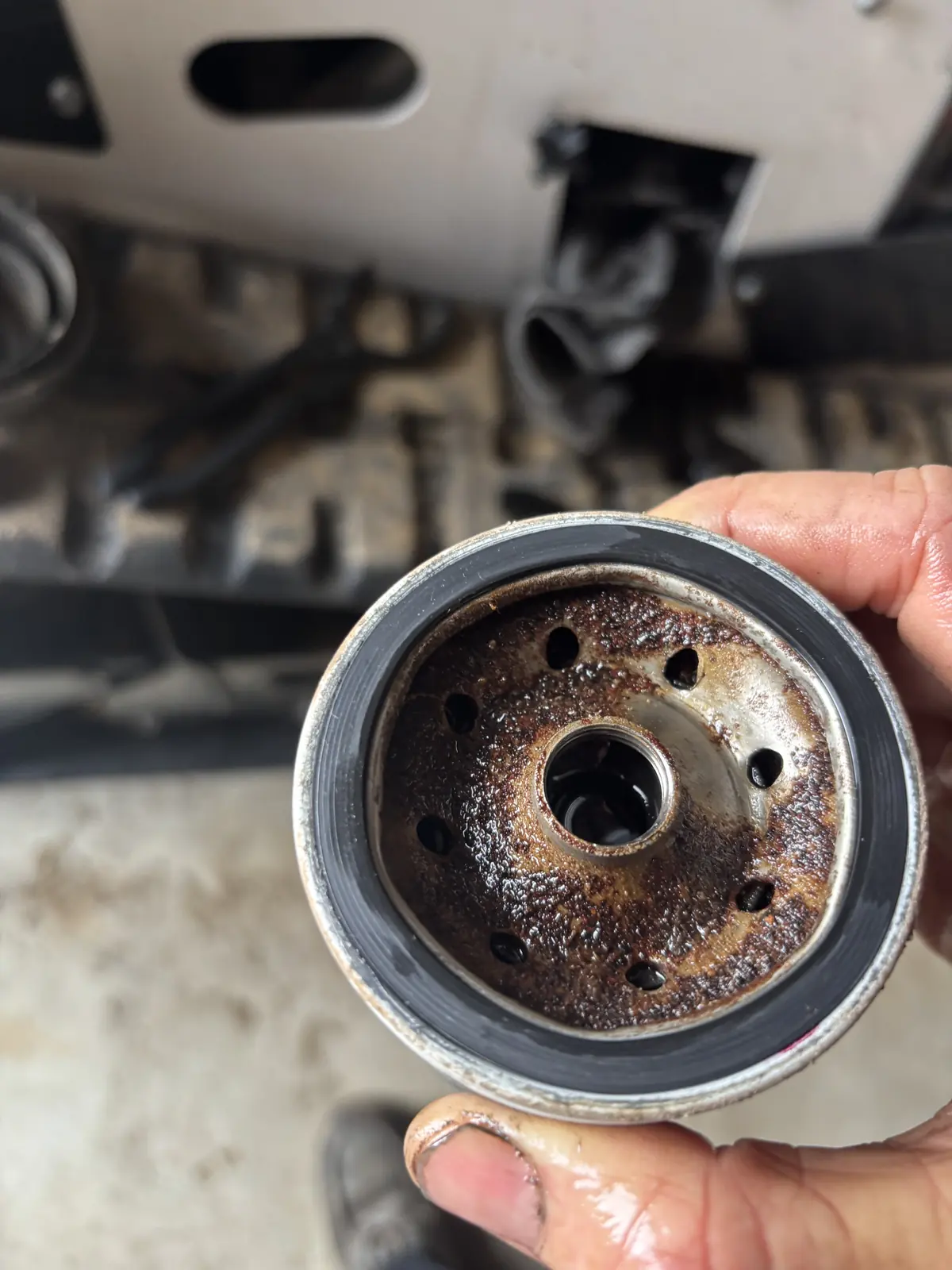
- Engine oil and filter with the oil the engine calls for: CK-4 15W-40 for most diesels, FA-4 only where the OEM allows it, a 5W-40 or 10W-30 synthetic where the manual specifies it for cold starts. Used oil leaves in the service truck's waste tank.
- Oil sample on high-hour engines when requested. Iron, copper, and lead point at bearings; sodium and potassium point at coolant; fuel dilution and soot tell you whether the drain interval is right.
- Primary and secondary fuel filters, water separator drained. On a common-rail engine the secondary filter is the injectors' only protection.
- Coolant checked with a refractometer for freeze point and with test strips for nitrite (conventional) or the additive package (OAT/NOAT extended-life). The two families are never mixed.
- Belts, tensioners, hoses, and the air filter checked against the restriction indicator, not the calendar.
Aftertreatment on 2007-and-newer diesels
- DEF level and quality. DEF is ISO 22241 fluid at 32.5% urea; a refractometer reading off that number means contamination or old fluid, and either one sets SCR efficiency codes.
- DPF soot load and regen history read from the ECM. Regens getting closer together is the early warning for a driving-cycle problem or an ash-loaded filter.
Brakes and air system on road units
- Air brake pushrod stroke measured at every wheel with a 90–100 psi application. Stroke past the adjustment limit for the chamber type is the most common brake violation at roadside.
- Governor cut-in and cut-out, low-pressure warning, and an applied leak-down test. Slack adjusters and S-cam bushings checked for play.
- Lining thickness, drum condition, and any oil contamination from a wheel seal.
- Air dryer purge checked, desiccant cartridge replaced at its interval, ideally before the first ice storm. Hydraulic-brake units get pad and rotor measurement and a fluid moisture check (DOT 3 or DOT 4, whatever the cap says).
Chassis, steering, suspension, tires
- Grease pass on every fitting: kingpins, tie-rod ends, drag link, slack adjusters, U-joints, fifth wheel. Equipment adds loader-arm pivots, cylinder pins, and bucket linkage, most of which want grease every 8–10 hours of operation, not just at the PM.
- Steering and U-joint play, spring hangers and U-bolts, air bags and leveling valves. Tire pressure set cold, tread depth recorded, lug torque verified, hub oil level and seal weep on oil-bath hubs.
Electrical
- Load test on each battery, terminals cleaned and coated, cable ends checked for corrosion under the insulation, charging voltage at the batteries.
- Every light, reflector, and marker, plus the 7-way and ABS lamp on trailers.
- Fault codes pulled from every module, active and stored, written on the record with the SPN/FMI or P-code so the next person has a history.
Equipment-specific items
- Hydraulics: fluid level and condition, filters at interval, hoses at every clamp and bend, cylinder rods, weeping at the valve block.
- Undercarriage on tracked machines: track tension to spec, roller and idler leaks, sprocket wear, grouser height. Chaincase oil on skid steers.
- Radiator and oil-cooler screens cleaned, safety interlocks (seat bar, neutral start), backup alarm, ROPS bolts, fire extinguisher.
What to Have Ready When the Service Truck Arrives
- The unit list ahead of time. Year, make, model, and engine for trucks; model and serial for equipment. That is how the right filters and oil get loaded before the truck leaves. Guessing on filters is how a PM turns into a second trip.
- Units staged in a line on level ground with room on both sides. Keys in the units or with one person who is not leaving.
- Current readings: odometer and engine hours on trucks, hour meter on equipment. They go on the record and set the next due date.
- Open DVIR defects and operator complaints. A PM is the cheapest time to chase a noise or a slow leak.
- Fuel in the tank. A forced regen or a road test needs it.
How Long It Takes
Rough figures, because units and their condition vary. An A service on a truck or skid steer is well under an hour once everything is staged. A B service on a Class 8 tractor, with 40-plus quarts of oil, both fuel filters, brake measurements, and a code pull, is a couple of hours; on a skid steer or mini excavator, an hour to an hour and a half. A C service with the annual inspection and a valve adjustment is a half day on a big machine. Line up several units and the per-unit time drops. Anything the inspection turns up that needs repair is quoted separately.
How PM Records Feed DOT Compliance
For any commercial vehicle you control for 30 days or more, 49 CFR 396.3 requires a record showing the unit's identification (company number, make, serial number, year, tire size), a schedule of the inspections and maintenance to be performed, and a record of what was actually done and when. A properly written PM record is that third item; a written A/B/C schedule is the second. Keep them where the vehicle is housed or maintained for one year, and for six months after the vehicle leaves your control.
Two other pieces of paper ride along: driver vehicle inspection reports under 396.11, which must be certified as repaired (or as not needing repair) before the unit goes back out and kept for three months, and the annual inspection under 396.17, which is done as part of the C service on road units so one visit closes both. A folder per unit with PM records, DVIRs, and annual inspection reports is what an auditor asks for, and what protects you after a crash when the other side's lawyer asks for the maintenance file.
FAQ
Should I schedule truck PMs by miles or hours?
Highway trucks: miles. Anything that idles a lot, runs a PTO, or works inside the loop in stop-and-go traffic: hours, or whichever comes first. Idle hours add engine wear without adding miles, and a miles-only schedule on an idle-heavy truck stretches the oil past where it should go.
What weather stops a mobile PM?
Lightning and ice. Rain and heat slow the work but do not stop it.
What does the PM not include?
Repairs. A brake out of adjustment gets adjusted, but a cracked drum, a leaking wheel seal, a bad hydraulic hose, or a fault code that needs a diagnostic tree is written up and quoted. Most of those can be done on the spot if you approve them.
Need PMs Done On-Site in Tulsa?
Tulsa Fleet Repair is a mobile operation — the service truck comes to your yard, jobsite, or breakdown location anywhere within 120 miles of Tulsa, with 24/7 emergency response when a unit can't wait. See the preventive maintenance service page for what we service, then call (918) 925-9356 or request service online.