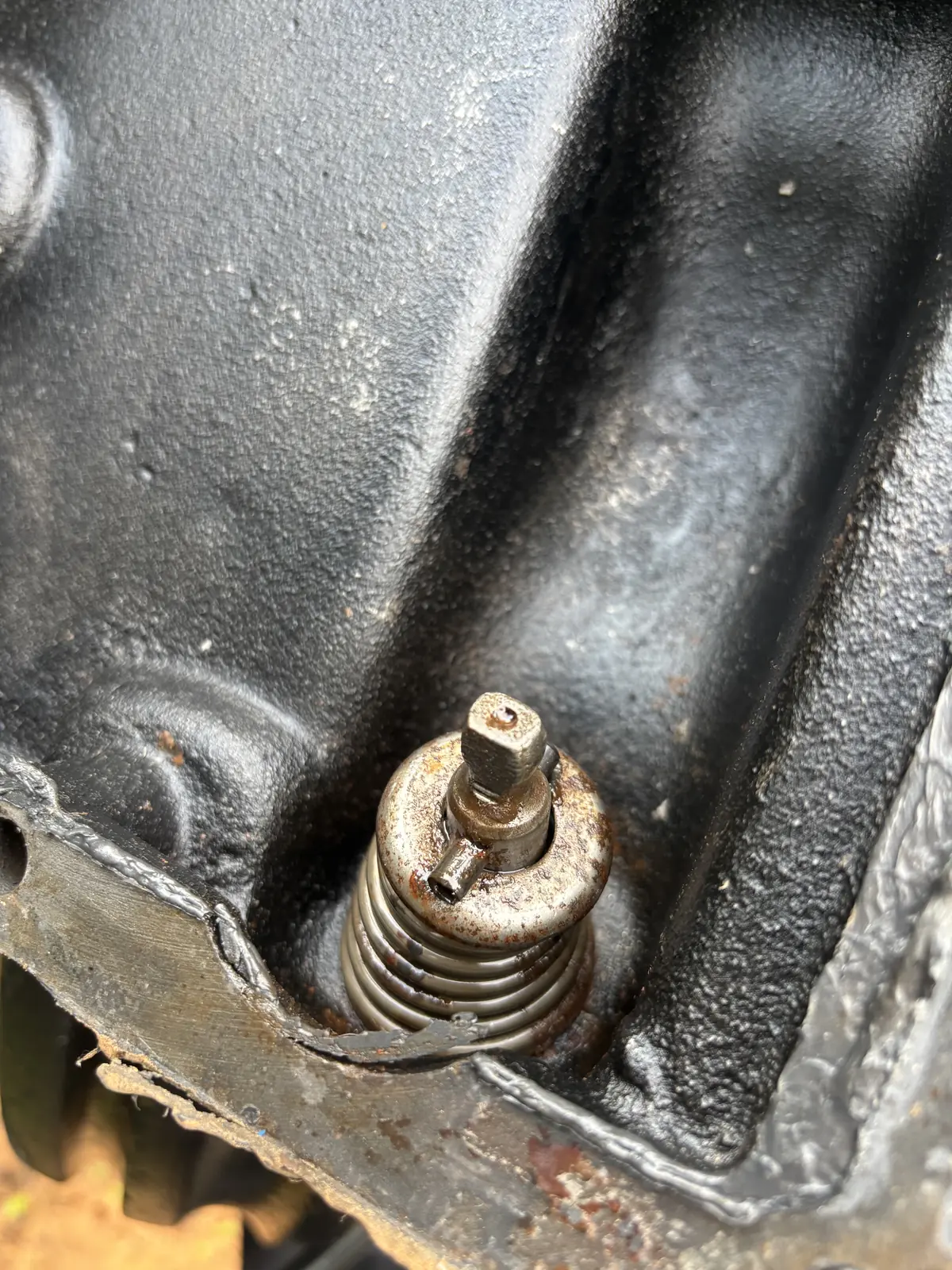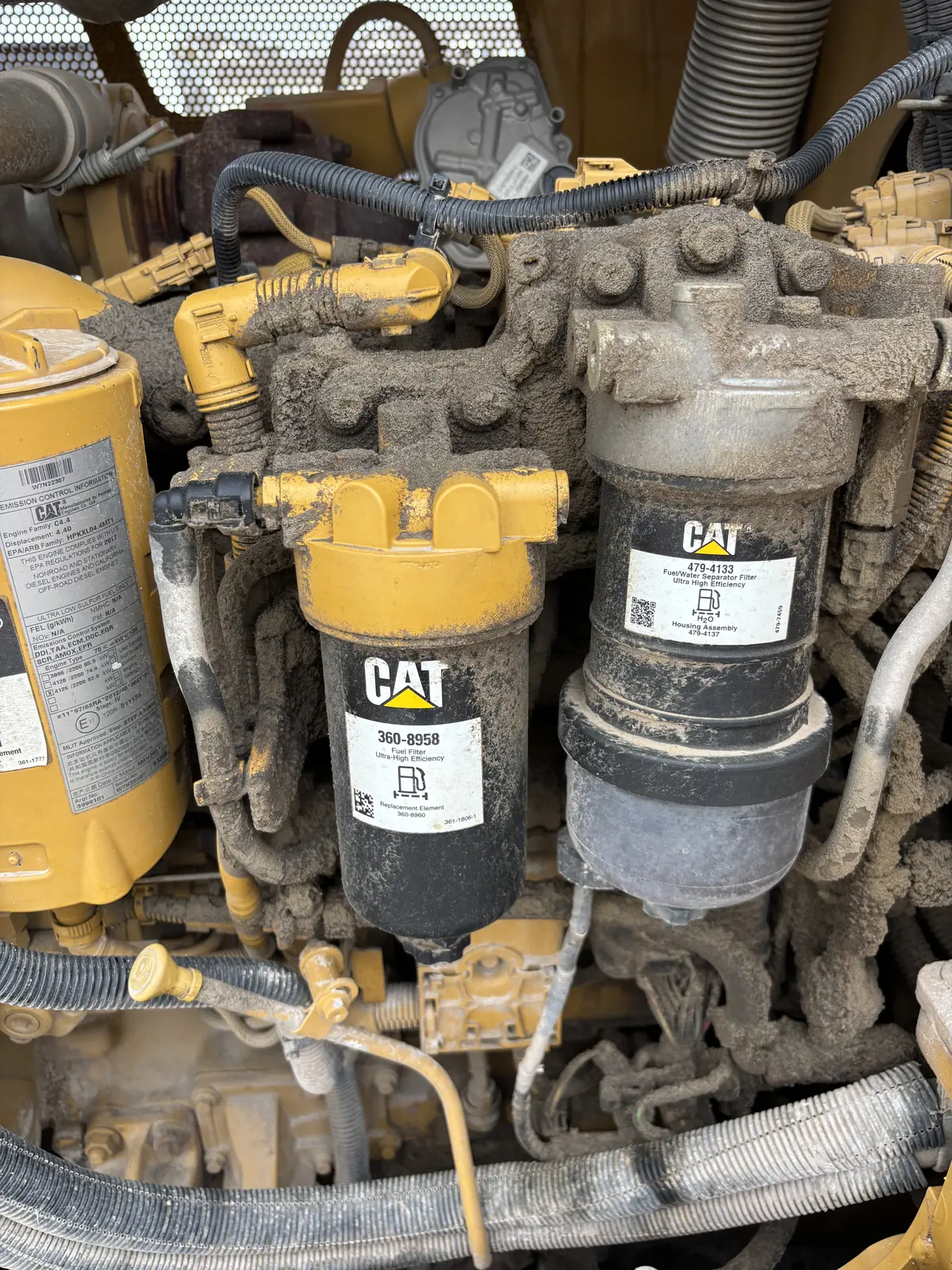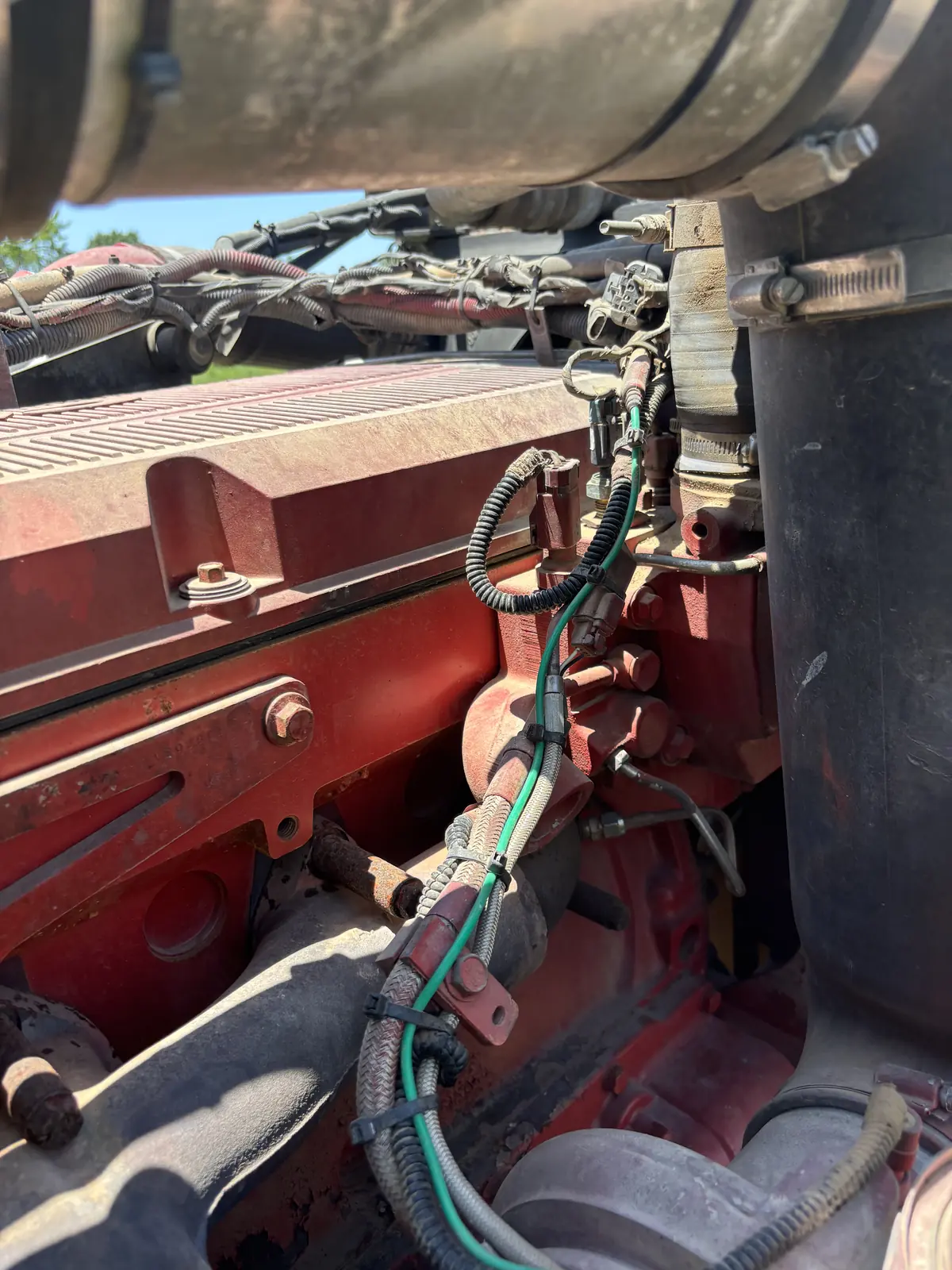
A failing diesel injector shows up as a long cold crank with white smoke, black smoke under load, a miss or knock at idle, lost power, a rising oil level, or a cylinder-balance or rail-pressure code. Every one of those can also be caused by something cheaper than injectors, so the job is to prove which cylinder and which part before spending money. Here is what each sign means, the tests that confirm it, and what can be settled in your yard versus what needs a bay.
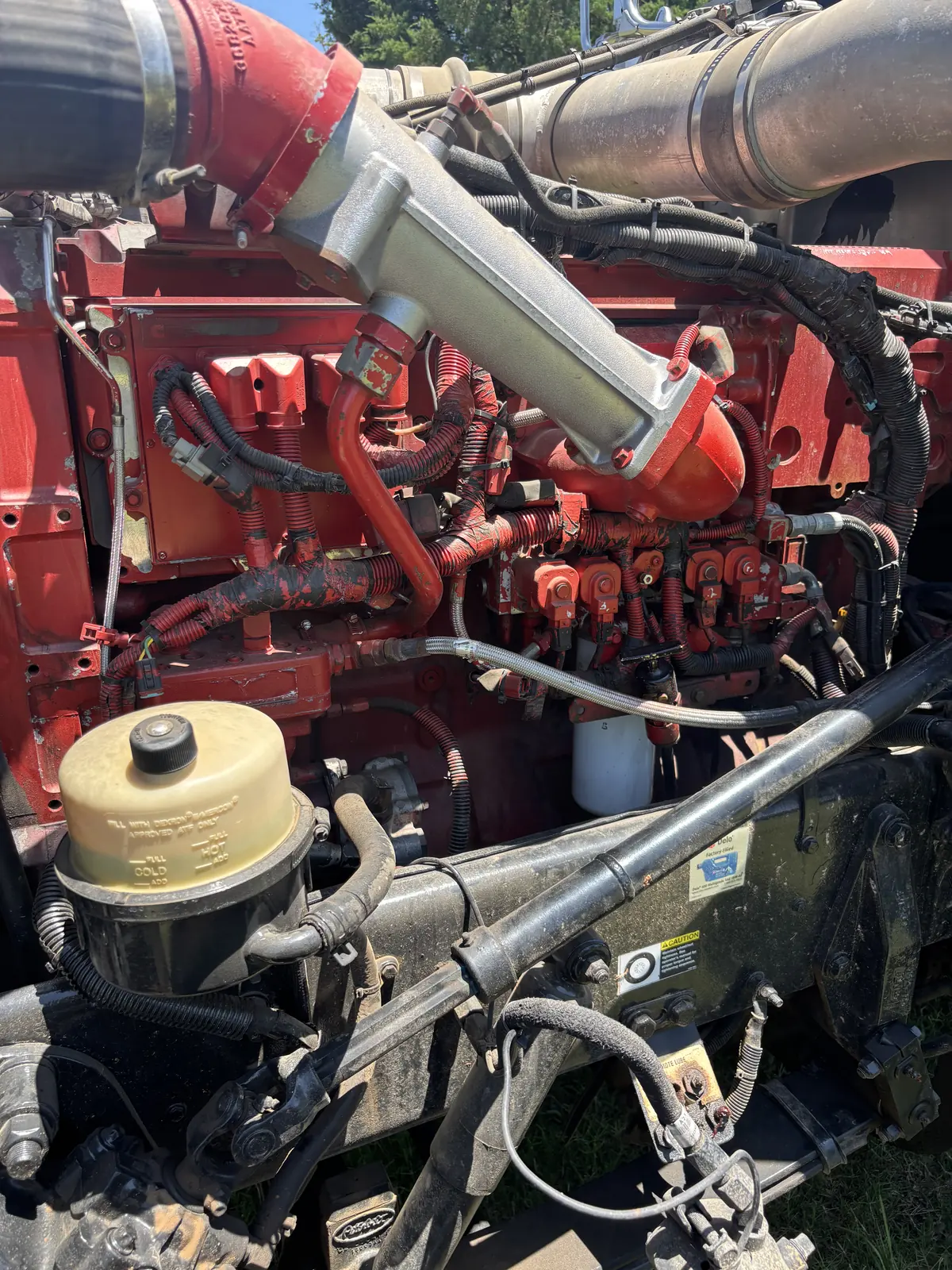
What Wears Out
A common-rail injector opens against 20,000 to 30,000 psi and meters an exact volume of fuel into a fine cone several times per combustion event. The wear points are the nozzle holes (eroded by water and abrasives, coked by carbon), the needle and seat, and the internal control valve, which leaks more fuel to the return line as it wears. Powerstroke 7.3 and 6.0 HEUI injectors fire on engine oil pressure instead, so oil condition and the high-pressure oil system are suspects before the injector is.
The 7 Warning Signs
1. Long cranking, especially cold
The ECM will not fire the injectors until rail pressure reaches a cranking threshold. An injector with a worn control valve bleeds pressure back to the return faster than the pump can build it, so the engine spins and spins. Rule out weak batteries and slow cranking speed, the grid heater or glow plugs, a clogged fuel filter, and air entering at a suction-side fitting first.
2. White smoke and a miss on a cold start that clears when warm
White smoke is raw fuel that never lit. A worn nozzle dribbles instead of atomizing, and cold cylinder walls give it no help. One cylinder points to an injector; every cylinder points to low compression, timing, or a dead heater circuit. A cutout test separates the two in minutes.
3. Black smoke under load
Black smoke is more fuel than the available air can burn: a nozzle stuck open, worn to a larger hole, or over-delivering against its calibration. Check the air side before condemning fuel. A plugged air filter after a season on red-dirt roads, a split charge-air-cooler boot, or a lazy turbo makes the same smoke.
4. Rough idle, a miss, or a hard knock
Too little fuel and the cylinder misses. Fuel delivered late or poorly atomized has a longer ignition delay, and when it finally lights the pressure rise is sharp. That is diesel knock. A single-cylinder knock that goes away when that injector is cut out is the injector.
5. Loss of power and worse mileage
When leakage across the injectors exceeds what the high-pressure pump can replace under load, actual rail pressure sags below commanded and the ECM pulls fuel to protect itself. On a scan tool you see desired and actual rail pressure separate under load, usually with P0087 (rail pressure too low). Poor atomization also sends fuel out the stack as smoke instead of work.
6. Fuel in the engine oil
If the oil level is rising and the dipstick smells like diesel, stop. On engines whose injectors sit inside the head with fuel passages under the valve cover, such as Cummins ISB and ISX, Detroit DD-series, and many Cat engines, a cracked injector body or failed O-rings leak fuel straight into the crankcase, and thinned oil takes out bearings. Post-injection during DPF regeneration dilutes oil a little on some engines; a lot is a leak.
7. Injector-related fault codes
Generic cylinder contribution and balance codes run P0263 through P0284, injector circuit codes P0201 through P0208, rail pressure P0087 and P0088, and P0093 (large fuel leak) is common on Duramax. On J1939 trucks the same faults come through as SPN 651 through 658 for injector cylinders 1 through 8. A code tells you where to look, not what to buy.
How the Diagnosis Is Done
- Scan-tool data. Desired versus actual rail pressure at crank, idle, and under load. Duramax reports injector balance rates at idle, and a cylinder far outside the pack is the suspect. Cummins Insite, Detroit DDDL, and Ford IDS/FDRS have equivalent cylinder performance tests.
- Cylinder cutout. The tool disables one injector at a time. If cutting a cylinder changes nothing, that cylinder was not contributing, from the injector or from compression.
- Relative compression from starter current draw, before any injector is condemned. Low compression mimics everything on this list.
- Return-flow (leak-off) test. Clear bottles on each injector return line, engine cranked or run for a fixed time. One bottle filling far faster than the rest is a worn control valve. Even, small amounts mean the injectors are holding.
- Fuel and filter. Drain the separator into a clear jar and cut the filter open. Water, slime, dark fuel, or metal flake changes the whole diagnosis.
- Bench test off the engine, only when the on-engine tests are inconclusive. That is shop or send-out work.
What Kills Injectors
- Water rusts the needle and seat and erodes nozzle holes. Drain separators, and do not leave a jobsite or farm tank half full through a humid spring.
- Low-lubricity ULSD. Injectors and high-pressure pumps ride on a film of fuel. A lubricity additive or a low biodiesel blend restores what hydrotreating removed.
- Stretched filter intervals let fine abrasives cut the seat and nozzle.
- Idling and short trips coke the nozzle tips. Trucks that idle all day inside the loop suffer more than highway trucks on I-44.
- High-pressure pump failure. The Bosch CP4 on the 2011-and-later 6.7 Powerstroke, the 2011 to 2016 Duramax LML, and the 2019 to 2020 Ram 6.7 Cummins (later recalled) can self-destruct and send metal through the rails, lines, injectors, and return system. When a CP4 fails, the entire high-pressure fuel system is replaced: pump, rails, lines, every injector, filters, and a cleaned tank. Reusing the injectors puts the metal right back in.
Cleaning vs. Replacement, Honestly
A detergent additive can help with light coking on nozzle tips, and that is the extent of it. It does nothing for a worn control valve, an eroded nozzle, a cracked body, or an electrical fault, which are what the tests find. Running solvent through a common-rail system on the engine risks the high-pressure pump. Real cleaning is ultrasonic cleaning off the engine with new nozzles and a flow test, which is what a remanufactured injector is. If a return-flow or balance test condemns a common-rail injector, replace it with an OEM or quality reman unit.
The 6.7 Powerstroke, later Duramax, and Cummins ISX all require the new injector's trim or IQA code to be programmed into the ECM. Skip it and a brand-new injector will miss or smoke.
Mobile Diagnosis vs. Shop Work
Everything above except the bench test is done from the service truck, and replacement is on-site work on most engines with top-side access: the 6.7 Powerstroke, Duramax, Ram Cummins, and the big Cummins and Detroit engines in Class 8 trucks. A full fuel-system replacement after a CP4 failure, an injector seized in the head, and cab-off jobs on some medium-duty chassis need a bay. Mobile diagnostics settle which one you have before the truck moves.
FAQ
Can I replace just the one bad injector?
Yes, when that injector was the cause. On a high-mileage engine, budget for the rest to follow; they have seen the same fuel. If the cause was contamination or a pump failure, all of them come out.
Is it the injectors or the high-pressure pump?
If desired and actual rail pressure separate even with every injector returning a trickle, look at the pump and the rail pressure relief valve. If one injector fills a bottle while the rest trickle, it is the injector.
Need This Done On-Site in Tulsa?
Tulsa Fleet Repair is a mobile operation for Powerstroke, Cummins, Duramax, and Class 8 fuel-system work. The service truck comes to your yard, jobsite, or breakdown location anywhere within 120 miles of Tulsa, with 24/7 emergency response when a unit can't wait. Call (918) 925-9356 or request service online.