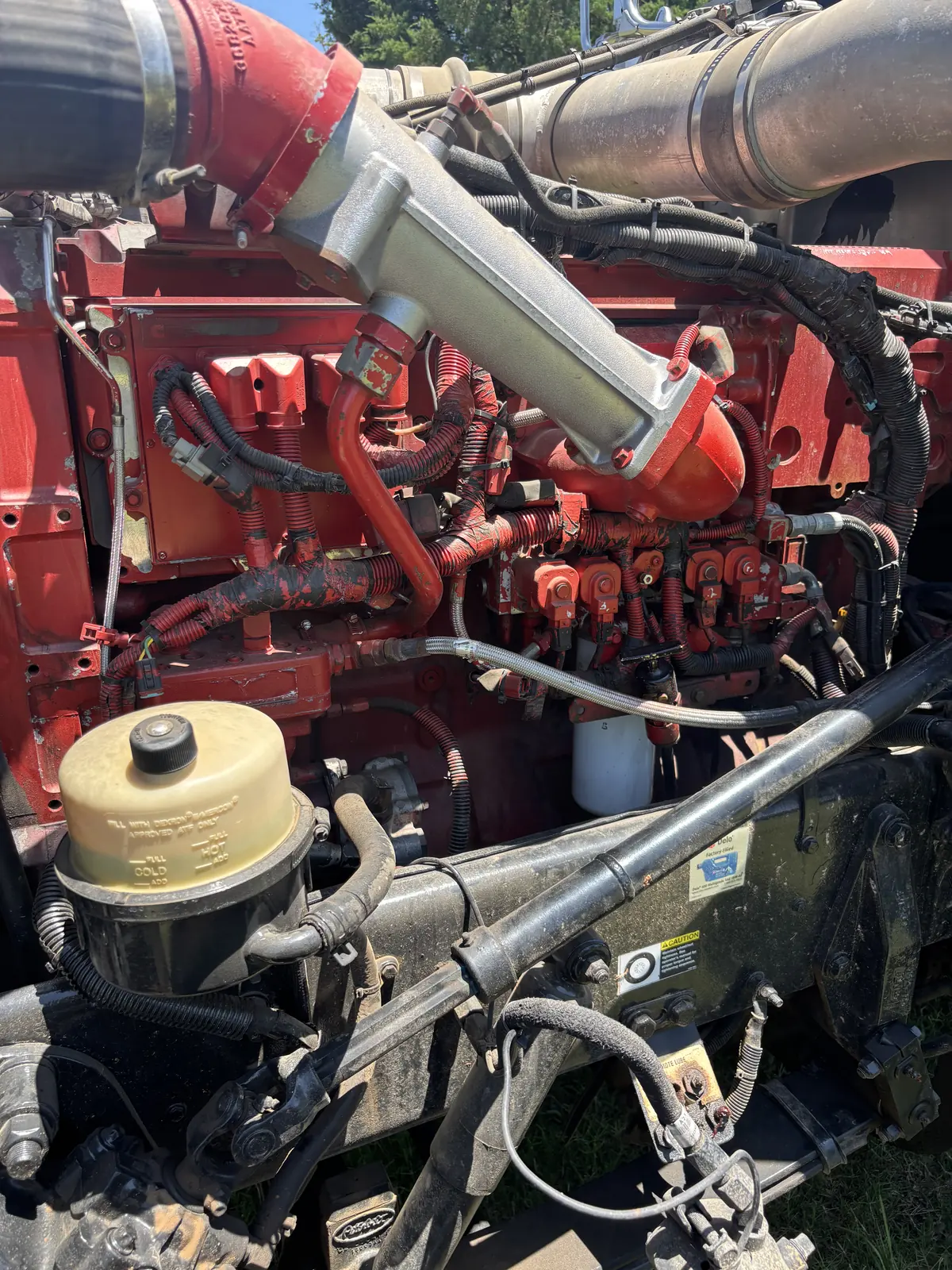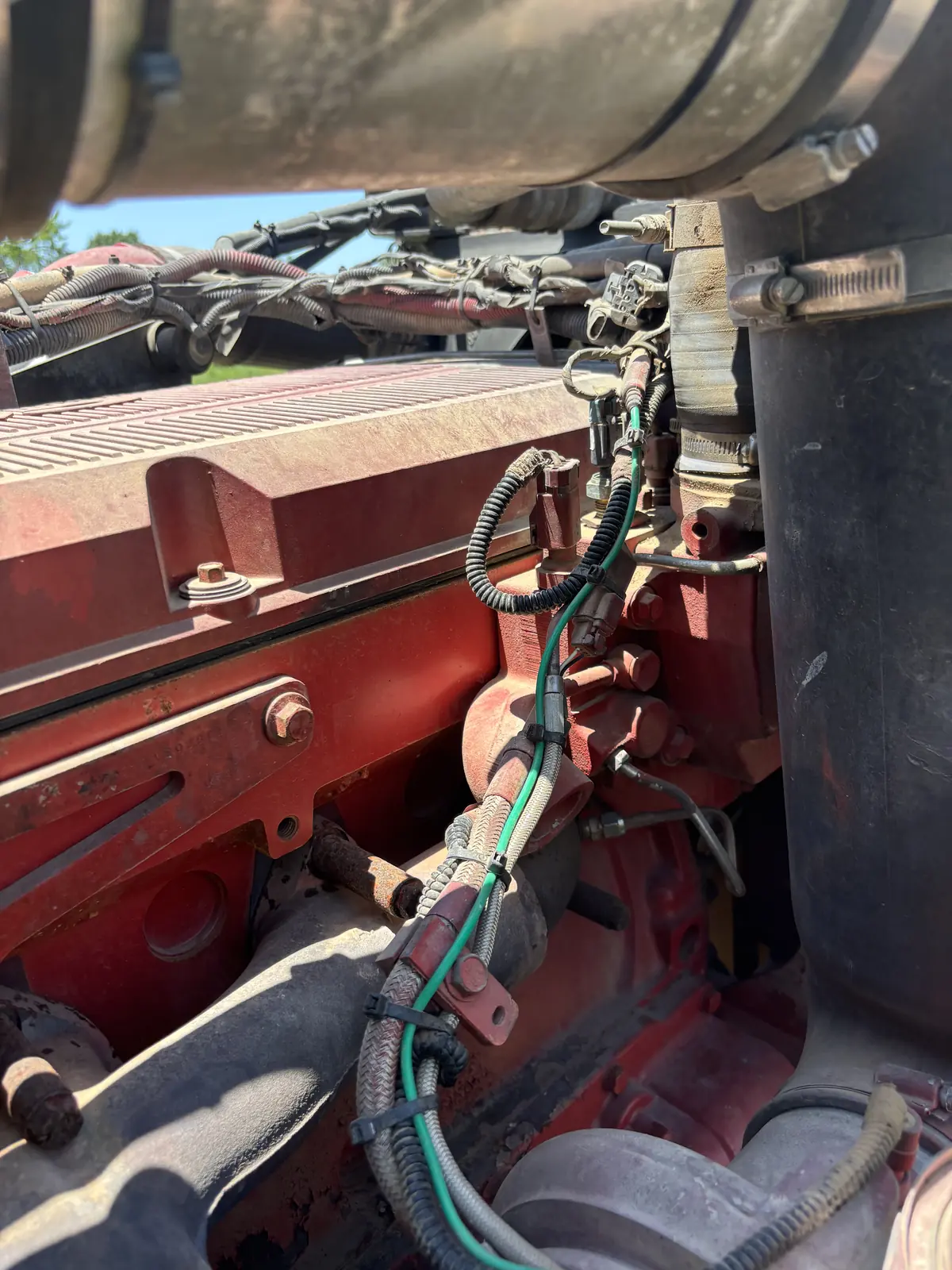
Tires are the cheapest alignment gauge you own. Run a hand across a steer tire and the wear pattern tells you whether the problem is toe, camber, a worn shock, a bad bearing, or a drive axle that is not square to the frame. This guide covers how to read those patterns, what to inspect in the suspension underneath them, why Oklahoma's roads are hard on the parts involved, and which of it can be done at your yard versus on an alignment rack.
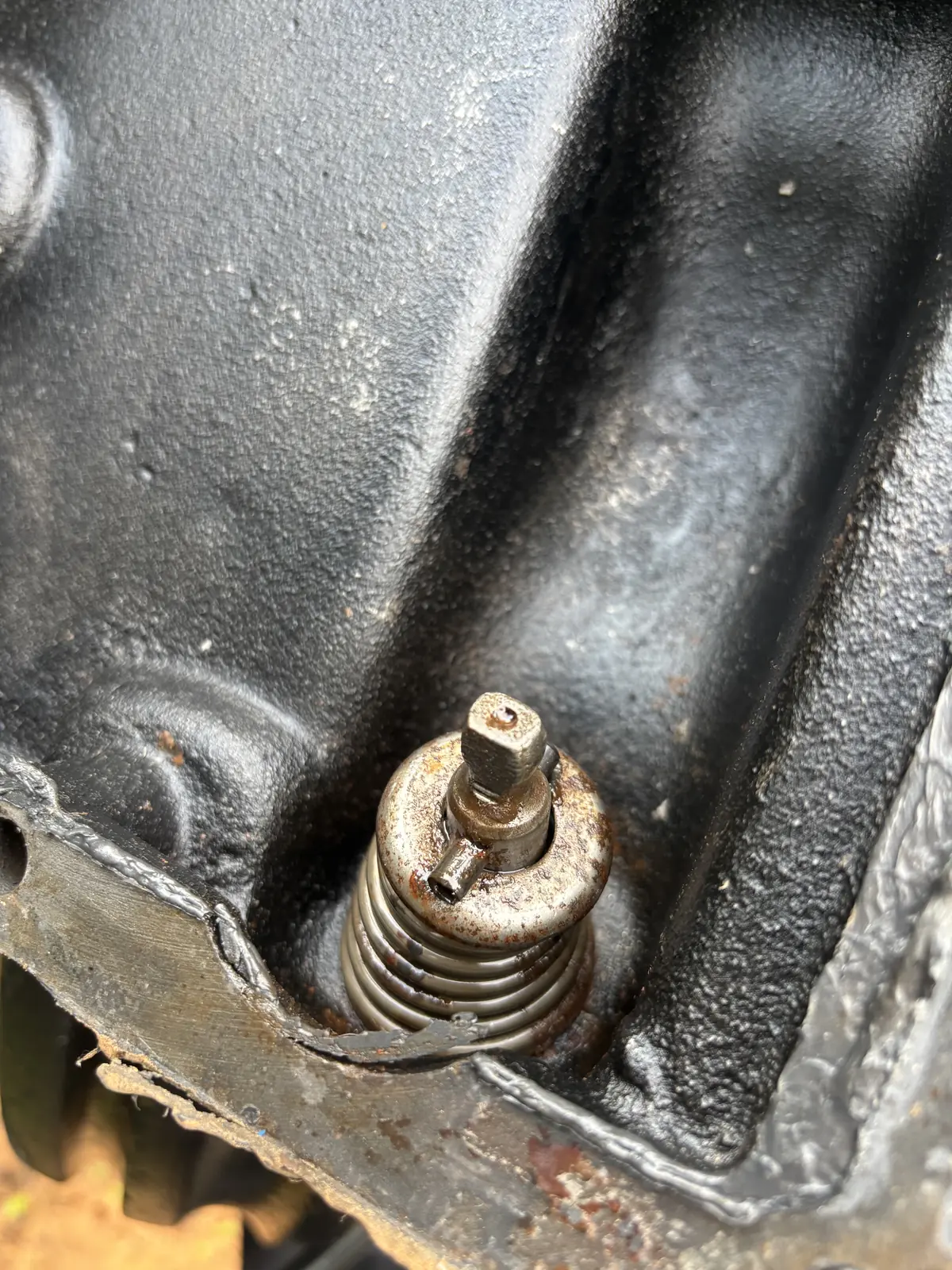
Tire Wear Patterns and What They Mean
| What you see | Likely cause | Where to look |
|---|---|---|
| Feathering: tread blocks worn to a sharp edge on one side and rounded on the other, felt as a sawtooth across the tread | Toe out of spec | Tie-rod ends, drag link, steering arm, toe setting |
| Inner or outer shoulder worn smooth while the rest of the tread is fine | Camber, or kingpin inclination changed by bent components | Kingpins and bushings, bent axle or spindle, sagged spring on one side |
| Cupping or scalloping: dished spots around the tire | Worn shocks, loose wheel bearings, or out-of-balance wheel | Shocks (bounce and leak check), bearing end play, wheel balance and runout |
| Diagonal wipe across the tread on drive tires | Drive axle out of square with the frame (thrust angle), or tandem axles not parallel | Torque rods and bushings, axle seats, walking-beam bushings, bent frame or cross member |
| One steer tire wearing far faster than the other | Caster or camber unequal side to side, or the truck is "dog tracking" so one steer tire runs at a constant slip angle | Rear axle alignment first; then the steer axle |
The important one on trucks is the diagonal wipe. On a tandem tractor the rear axles steer the truck as much as the front does; if the drive axles are not perpendicular to the frame centerline, the driver holds the wheel off center to go straight, the steer tires wear on one shoulder, and no amount of front-end work fixes it. Steer-axle alignment on a truck starts at the back.
Suspension Inspection, Component by Component
Steering linkage and kingpins
With the wheel lifted, rock the tire top and bottom for kingpin play and side to side for tie-rod and drag link ends, and have a helper work the wheel while you watch each joint for lost motion. Worn linkage feathers steer tires even when toe was set correctly, because the toe changes on every bump.
Leaf springs and hangers
Look for broken or shifted leaves, a spring that sits lower on one side (measure frame height to the ground at each corner), and a center bolt that has sheared and let the axle walk on the spring seat. Check shackle and hanger bushings by prying; more than a sliver of movement means they are gone. Spring pins on a heavy front axle wear oval and let the axle move fore and aft under braking, which shows up as a caster change and a pull.
U-bolts
U-bolts hold the axle to the spring, and they stretch. Loose U-bolts let the axle shift under torque and show up as a clunk on takeoff, a drive-axle thrust angle that changes with load, and a broken center bolt. Retorque U-bolts to the OEM spec (it is in the hundreds of foot-pounds for heavy-duty sizes, and it is not a guess) after any spring work and again after a few hundred miles. Never reuse U-bolts once they have been torqued.
Bushings and torque rods
Torque rods locate the drive axles and control pinion angle and thrust angle. Worn torque rod bushings let the axle rotate under power (pinion angle changes, driveline vibrates) and walk sideways (thrust angle changes, drive tires wipe diagonally). Grab each rod end and pry; look for cracked rubber, a bushing that has walked out of its eye, and shiny wear marks where a rod has been contacting the bracket. On Hendrickson-style walking-beam tandems, the center beam bushings are the first thing to go.
Air springs and ride height valves
Inspect air springs for cracks, chafe from a misrouted hose, and a bag that is bottomed or overextended. Ride height is set by the leveling valve, and it matters more than most people think: wrong ride height changes driveline angles (vibration and U-joint wear), changes the geometry of the steer axle on the truck, and on a tractor changes fifth-wheel height. Measure ride height at the point the OEM specifies and set the valve linkage to it. A leveling valve that has stuck or lost its linkage will let one side sit low; a truck that leans in the yard is not a bad bag until proven otherwise.
Shocks
A light mist of oil on a shock body is normal; a shock that is wet and streaked, or dripping, has failed. Grab the shock and feel for heat after a drive: a working shock is warm, a dead one is cold. Bounce the corner and count the rebounds. Worn shocks on a truck cause cupped steer tires, a wheel hop on braking, and hammered spring and bushing life, because the spring is now controlling the axle by itself.
Why Oklahoma Roads Eat Suspension
Fleet trucks around Tulsa split their time between smooth turnpike miles and the other kind: county roads with washboard gravel, oil-field lease roads with ruts deep enough to bottom the axle, construction sites where the truck crosses the same rutted entrance fifty times a day, and city streets with potholes that open up every freeze-thaw cycle in February. Each hard hit is a shock loading on the springs, the bushings, and the U-bolts, and rutted jobsite entrances load one side at a time, which is exactly what twists an axle out of square. Trucks that live on rural and jobsite roads need their bushings, U-bolt torque, and shocks looked at every PM, not once a year, and a tape measure across the axles when the tires start to look wrong.
What Can Be Done On-Site, and What Cannot
Honest answer: most of the inspection and most of the parts replacement can be done from the service truck, and a full alignment cannot.
- Mobile: the entire inspection above; replacing shocks, bushings, torque rods, tie-rod ends, drag links, leaf springs, U-bolts, air springs, and leveling valves; setting toe on a single steer axle with a toe bar or tram gauge; checking axle squareness with a tape measure from frame reference points; wheel bearing adjustment.
- Shop with an alignment rack: a complete three-axle alignment that measures and corrects thrust angle, tandem scrub angle, caster, and camber on a tractor; anything that needs the truck level and the readings referenced to the frame centerline with a laser or camera system. A truck with a diagonal-wipe drive tire wear pattern needs that work, and doing the steer-axle toe by itself will not fix it.
Recommended Intervals
- Every PM: tire wear read and tread depth logged; shocks, bushings, torque rods, springs, and steering linkage inspected; ride height checked.
- After any spring, U-bolt, or axle work: retorque at a few hundred miles.
- Annually or when a wear pattern appears: full alignment check on tractors and heavy straight trucks. Steer tires on a Class 8 are expensive enough that one saved set pays for the alignment.
FAQ
The truck pulls but the tires wear fine. Alignment?
A pull with even tire wear is more often a dragging brake, a tire with a belt separation (swap steer tires side to side and see if the pull follows), or road crown than alignment. Check those before spending on a rack.
Can worn shocks cause a DOT violation?
A shock that is leaking or missing is a suspension defect an inspector can write, and the cupped tires it causes can hit the tread-depth minimum on a steer axle. The annual inspection checks both.
Need Suspension Work Done On-Site in Tulsa?
Tulsa Fleet Repair is a mobile operation — the service truck comes to your yard, jobsite, or breakdown location anywhere within 120 miles of Tulsa, with 24/7 emergency response when a unit can't wait. Call (918) 925-9356 or request service online.